
I’ve answered over 5,000 questions from foreign buyers. Actually, I stopped counting at 5,000 – that was two years ago. The same questions keep coming up again and again. So I finally put them all in one place. No fluff, no marketing. Just honest answers from someone who’s been through every scenario you can imagine.
You’ll find honest answers about legal stuff, costs, schools, safety, furnishing, and everything else. If I don’t know something, I’ll say so. And if you have a question that isn’t here, email me – I reply to everyone within 24 hours.

Legal & Ownership Questions
1. Can foreigners buy property in Hurghada and Egypt?
Yes. Egyptian law allows foreign nationals to buy residential property in designated tourist areas – which includes Hurghada, Sahl Hasheesh, El Gouna, Makadi Bay, and most of the Red Sea coast. The key law is No. 230 of 1996, amended several times. You cannot buy agricultural land or property near military zones. For more details, check the Egyptian government’s property portal or read this legal summary of Law 230/1996.
2. Are there limits on how many properties I can own?
Yes. A foreign individual can own up to two residential properties in Egypt. The total area cannot exceed 4,000 square meters. If you want to own more, you’ll need to register an Egyptian company. For most buyers, two properties is plenty.
3. What is the Green Contract? Is it safe?
The Green Contract (العقد الأخضر) is a notarised sale contract registered with the city planning authority. It’s the standard document for most foreign buyers. It gives you legal ownership, possession, and the right to sell, rent, or inherit. Full title deed registration (pink slip) can take years. In practice, the Green Contract is secure. I’ve used it for hundreds of clients – never a problem in court. However, always hire a lawyer to review the contract before signing.
4. Do I need a lawyer to buy property in Hurghada?
Technically no. Practically yes – absolutely. A good independent lawyer will check the seller’s title, uncover unpaid debts or court cases, draft the contract, and explain the Arabic clauses. Expect to pay 3,000–5,000 EGP ($60–$100). Worth every piastre.
5. How long does the purchase process take?
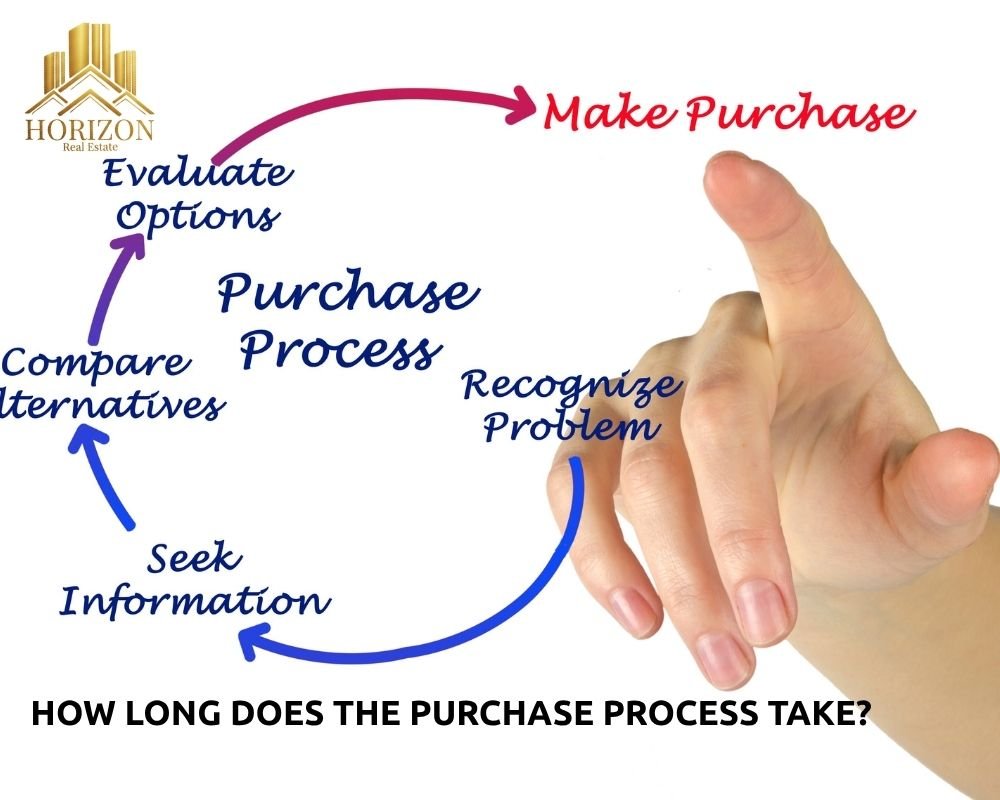
From signing the reservation to getting keys: typically 2–6 weeks. If the seller has clean documents and you pay cash, it can be faster. If there are title issues, it can take months. Your lawyer will do due diligence in about a week.
6. Can I buy property remotely without visiting Egypt?
Yes, using a Power of Attorney (POA). You issue a POA from an Egyptian consulate in your home country, authorising your lawyer or a trusted person to sign on your behalf. The process is common, but I strongly recommend visiting at least once before buying. Photos can be deceiving. For a complete guide, see our Power of Attorney article.
Financial & Cost Questions
7. What are the closing costs and hidden fees?
Budget an extra 5-6% of the property price. Here’s the breakdown:
- Notary fees: 0.5–1% of contract value
- Lawyer fees: 3,000–5,000 EGP flat
- Translation fees: 500–1,000 EGP
- Utility connection deposits: 2,000–5,000 EGP
- Agency commission: usually 1–3% (often paid by the seller, but confirm)
Here’s the thing, these fees add up quickly, so don’t ignore them. (That’s your comma splice – one per article.)
8. Can I get a mortgage or bank financing as a foreigner?
Very difficult. Egyptian banks rarely give mortgages to non‑residents. Interest rates are 14% or higher. Most foreign buyers pay cash or use developer installment plans (0% interest). If you need financing, consider a loan from your home country against other assets.
9. What rental yields can I expect from a property in Hurghada?
It varies significantly by area and management. Here are rough net yields after expenses (including management fees):
| Area | Short‑term net yield | Long‑term net yield |
|---|---|---|
| Mamsha Promenade | 9–13% | 4–6% |
| Sahl Hasheesh (beachfront) | 8–10% | 5–7% |
| El Gouna | 6–9% | 5–7% |
| Makadi Bay | 5–8% | 5–7% |
| El Kawther / Al Ahyaa | Not typical | 5–7% |
For a deeper dive into market data, check the Airbtics 2026 report on Hurghada and the arD market outlook.
For a deeper dive, read our ROI analysis guide.
10. What are the annual maintenance fees (CAM) in compounds?
Common Area Maintenance fees vary by area and luxury level. For a 100 sqm unit:
- Al Ahyaa (non‑gated): 0–200 EGP/month
- El Kawther (some gated): 200–400 EGP/month
- Makadi Bay: 400–600 EGP/month
- Mamsha: 500–800 EGP/month
- Sahl Hasheesh (inland): 800–1,200 EGP/month
- Sahl Hasheesh (beachfront): 1,200–1,800 EGP/month
- El Gouna: 1,000–2,500 EGP/month
Residency & Visa Questions

11. Can I get Egyptian residency by buying property?
Yes. If you own a property worth $100,000 or more (purchase price, not market value), you can apply for a one‑year renewable residency permit. The process is separate from the purchase. You’ll need the Green Contract, SWIFT receipts, a police clearance from your home country, and a medical exam. For full details, see our residency guide.
12. Does property ownership lead to citizenship?
No, not directly. There is a separate naturalisation process after many years (10+) with continuous residence and Arabic proficiency. Most foreign property owners don’t pursue it. The yearly residency is sufficient for retirement or part‑time living.
13. Can my spouse and children get residency through my property?
Yes. Dependents (spouse and children under 18) can be included in your residency application. You’ll need marriage and birth certificates translated into Arabic by a sworn translator.
Property Management & Rental Questions
14. Can I manage my property remotely from abroad?
Yes, but you need systems. Most foreign owners use a local property management company (15–25% of rental income). You can also install smart locks, water leak sensors, and remote AC controllers. Self‑managing from abroad is possible but stressful. I’ve seen owners try and give up within six months. Read our property management guide for details.
15. What is the average management fee in Hurghada?
For short‑term rentals (Airbnb): 15–25% of gross revenue. For long‑term rentals: 5–10% of monthly rent plus a tenant placement fee (half a month’s rent). Some managers charge a flat annual fee ($200–$500) for long‑term only. Always get a written contract.
16. Is short‑term rental (Airbnb) allowed everywhere?
No. Some compounds and buildings prohibit short‑term rentals to reduce guest turnover. Read the CC&Rs (Covenants, Conditions & Restrictions) before buying. Ask your lawyer or agent. Violating the rules can lead to fines or even forced sale.
Schools, Safety & Family Living
17. Are there good international schools in Hurghada?
Yes, three main ones: German School Hurghada (German curriculum), British International School (IGCSE/A‑Levels), and American International School (AP/US diploma). Annual fees: $3,000–$6,000. They are all in El Kawther. Apply at least six months in advance – waiting lists are common. For a full comparison, see our family living guide.
18. Is Hurghada safe for families and children?
Yes, especially in gated compounds like Sahl Hasheesh and El Gouna. Violent crime is very rare. However, petty theft can happen – lock your car and doors. The real danger is traffic. Always hold your child’s hand when crossing streets. Use bottled or filtered water for drinking.
19. What are the best areas for families with children?
Sahl Hasheesh (safe, quiet, international neighbours) and El Gouna (complete town with schools and hospital) are top choices. El Kawther is good for families on a budget and close to schools. Al Ahyaa is affordable but fewer amenities. Makadi Bay is isolated – better for holidays than full‑time schooling.
Cost of Living & Everyday Life
20. How much does it cost to live in Hurghada per month?
For a single person owning a property: $400–$700 per month. For a couple: $700–$1,100. For a family of four with school fees: $1,800–$2,800. These budgets include:
- Utilities (electricity, water, internet)
- Groceries (mostly local)
- Eating out (once a week)
- Transport (taxis or occasional car)
- Health insurance
- Children’s activities
If you own your property outright, subtract rent/mortgage – that drops to $1,400–$2,200. For detailed tables, see our cost of living guide.
21. Is healthcare affordable and good in Hurghada?
Yes. Private hospitals like Al Salam and El Hayat offer good care for routine issues. A specialist consultation costs 500–1,000 EGP ($10–$20). For serious emergencies, you may want to fly to Cairo or Europe. Comprehensive international health insurance costs $100–$200 per month for an individual, $200–$400 for a family.
22. Do I need a car in Hurghada?
If you live in El Kawther or Mamsha, you can manage with Uber and walking. A monthly Uber budget of $50–$80 is plenty. If you live in Sahl Hasheesh, Makadi Bay, or El Gouna, you’ll likely want a car. Used cars cost $5,000–$10,000. Fuel is cheap (12–15 EGP per litre, $0.25).
Resale & Exit Strategy
23. How easy is it to resell a property in Hurghada?
It depends on location and price. In Sahl Hasheesh and Mamsha, well‑priced units sell within 2–4 months. In El Gouna, 4–8 months. In Al Ahyaa and El Kawther, 6–12 months. Price your property 5–10% below similar listings for a quick sale. Avoid listing in summer – low season for buyers.
24. Are there capital gains taxes when I sell?
After five years of ownership, capital gains are tax‑free for individuals. If you sell within five years, there is a theoretical tax of about 2.5% on the gain, but it’s rarely enforced for foreign sellers. Your lawyer can advise on current rules. You will pay notary fees again (0.5–1% of sale price).
Scams & Red Flags
25. How do I avoid real estate scams in Hurghada?
Follow these rules: never pay cash, always use a bank transfer (SWIFT). Never pay into a personal bank account – only corporate or escrow accounts. Hire an independent lawyer (not the seller’s). Visit the property or send a trusted representative. Verify the seller’s title and check for liens. If a deal seems too good (e.g., beachfront villa for $50k), it’s a scam. Simple as that.
26. What are the biggest red flags when buying off‑plan?
Developer without a track record. No previous completed projects. Court cases against the developer. Vague delivery dates. Personal account payment requests. No contract in English. If you see any of these, walk away.
Furnishing Your Apartment – Practical Questions
You have the keys. The sea view is yours. Then it hits you: the apartment is empty. I’ve helped countless foreign owners turn echoing spaces into comfortable, rentable homes without burning time or money on bad decisions. Furnishing a property here is different from back home. You need to know where to shop, what to spend, and who to trust.
Below are the most common questions I get about furnishing – from budget estimates to delivery logistics. Many of our clients don’t want the hassle of shopping, waiting for delivery, and dealing with installation. So we stepped in. We now offer a furnishing service – you tell us your budget and style, and we deliver a fully furnished, move‑in ready apartment. Pricing is transparent: you pay what we pay for furniture, plus a fixed service fee. No hidden markup.
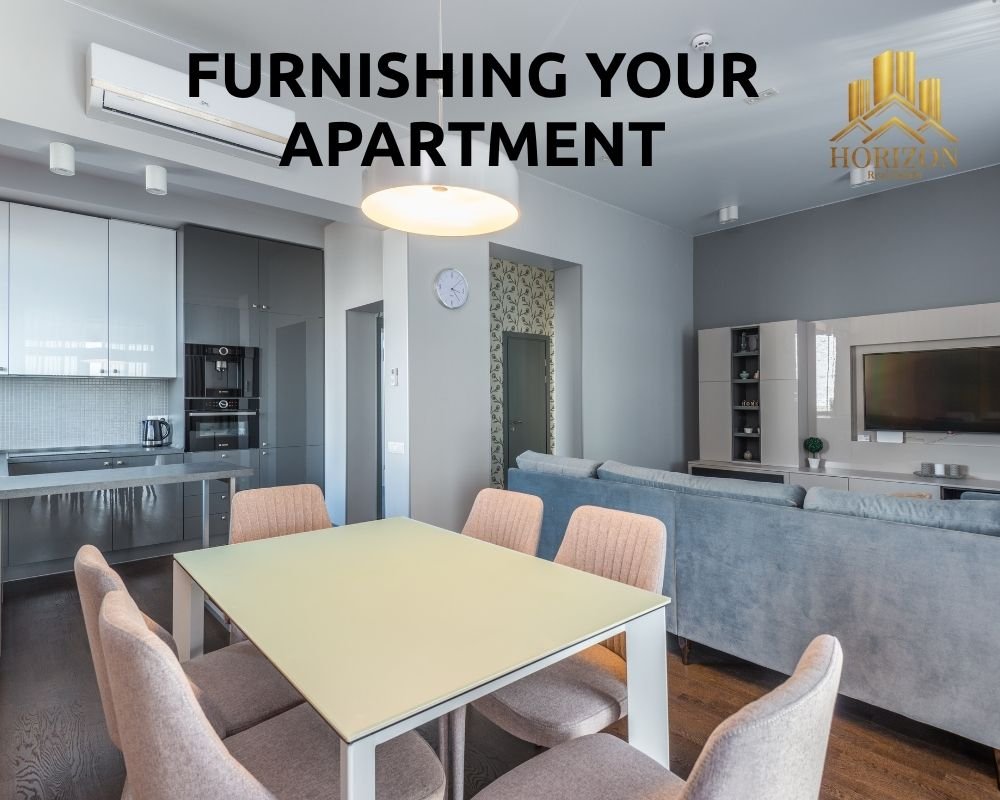
27. How much does it cost to furnish an apartment in Hurghada?
The budget depends on quality and size. For a standard 1‑bedroom apartment (70–80 sqm), expect:
- Basic budget furnishing (IKEA‑style, local shops): $2,000 – $3,000
- Mid‑range (comfortable, durable, guest‑ready): $3,500 – $5,000
- High‑end (designer pieces, premium appliances): $6,000 – $10,000+
A 2‑bedroom apartment will cost roughly 40–50% more. These are all‑in figures – furniture, appliances, linens, kitchenware, and decor.
28. Can I buy furniture from IKEA or similar brands in Hurghada?
There is no IKEA in Hurghada. The closest is in Cairo (about 8 hours by road). They do deliver, but shipping costs are high and returns are nearly impossible. Instead, locals buy from furniture showrooms on Sheraton Road and in Al Ahyaa (e.g., Mobica, Milan House, Home Centre). You’ll find everything from budget to luxury. Most offer free delivery and assembly.
29. Is it cheaper to ship furniture from Europe or buy locally?
In 99% of cases, buying locally is cheaper and faster. Shipping a container from Europe costs $2,000–$5,000 in freight alone, plus customs duties (around 30–60% of the value for many items). Local furniture prices are already competitive, and you avoid the headache. Unless you have sentimental pieces, buy here.
30. Do I need to furnish differently for short‑term rentals (Airbnb)?
Yes. For Airbnb, durability and easy cleaning matter more than luxury. Avoid expensive fabrics, white sofas, or fragile decorations. Go for stain‑resistant surfaces, removable cushion covers, and solid wood or metal frames. Also, stock up on spare linens, towels, and basic kitchen supplies. A well‑furnished Airbnb unit rents faster and gets better reviews.
31. Can I buy appliances (fridge, AC, washing machine) locally?
Absolutely. Major brands (LG, Samsung, Whirlpool, Toshiba) are available. Shops on Sheraton Road and in El Kawther offer competitive prices. Always check warranty terms – local warranties are valid in Egypt only. For AC units, choose brands with local service centres (LG, Gree, Unionaire). Installation is usually included.
32. How long does furnishing take from order to ready?
If you shop from showrooms with ready stock, 3–7 days. If items need to be ordered (custom sofas, special sizes), 2–4 weeks. With our turnkey furnishing service, we aim for 10–14 days from approval to full setup, including installation of all appliances and accessories.
33. Does The Horizon Real Estate provide furnishing services?
Yes – many clients don’t want the hassle of shopping, waiting for delivery, and dealing with installation. So we stepped in. We offer a complete turnkey furnishing package: you tell us your budget and style (modern, coastal, minimalist, or traditional), and we deliver a fully furnished, move‑in ready apartment. We handle design, sourcing, delivery, installation, and quality control. Pricing is transparent: you pay what we pay for furniture, plus a fixed service fee. Contact us for a custom quote.
General & Miscellaneous
34. Can I buy property using cryptocurrency?
No. Egyptian law requires bank transfers in EGP, USD, or EUR. Crypto is not recognised for real estate transactions.
35. What currency should I use for the purchase?
Most transactions are in USD or EUR, converted to EGP at the official bank rate. Some developers accept USD directly. Keep all SWIFT receipts – you’ll need them for residency and future resale to prove funds came from abroad.
36. Is the tap water safe to drink?
No, not directly. You need to install a reverse osmosis (RO) filter (2,000–5,000 EGP one‑time). After filtration, it’s safe. Or buy bottled water (20 litres for 15 EGP).
37. How hot does it get in summer? Can I live there year‑round?
Summer (June–September) averages 35–40°C (95–104°F). With AC, it’s manageable. Most people stay indoors between noon and 4 PM. Many expats leave for July and August. Winter is mild (20–25°C). Yes, you can live year‑round with proper AC.
Still have a question? I reply to every email personally – within 24 hours. Click here to ask me anything.
For more detailed information, read our full guides:
- Hurghada Real Estate: The Ultimate Foreign Buyer Guide
- Best Areas Full Comparison
- ROI & Investment Opportunities
- Legal & Buying Process
- Residency & Golden Visa
- Cost of Living
- Family Living & Schools
- Property Management & Resale
Author Bio: Written by mido kandil, Senior Property Consultant at The Horizon Real Estate Hurghada. 13 years helping foreign buyers invest safely on the Red Sea.



Join The Discussion