
Family Living in Hurghada: Schools, Safety & Best Areas (2026)
I’ve helped dozens of families relocate to Hurghada. Actually, closer to seventy over the past eight years. And the same questions come up every time. Where are the good schools? Is it safe for kids? Which neighbourhood has other expat families? And how much does raising a child actually cost here?
So let me answer all of that. This isn’t a tourist brochure. It’s a plain‑talk guide to family living in Hurghada. You’ll get real information on international schools, safe neighbourhoods, healthcare for children, and monthly budgets for a family. Plus a few mistakes I’ve seen families make – so you can avoid them.
Why Families Choose Hurghada
The sun, the sea, and the low cost of living are the main draws. But there’s more. Hurghada has a growing international community. You’ll find German, British, Dutch, and Russian families living here year‑round. The city is small enough to navigate easily, but large enough to have good hospitals, supermarkets, and schools.
Compare that to Cairo or Alexandria – less traffic, much less pollution, and a slower pace of life. I’ve had parents tell me their children’s asthma improved within months of moving here. The dry desert air helps.
But it’s not for everyone. The summer heat (June–September) is intense. You won’t want to be outside between noon and 4 PM. And the cultural adjustment can be tricky for some. That said, most families I’ve worked with end up staying for years.
Best Areas for Families in Hurghada
Not all neighbourhoods are child‑friendly. Here’s my honest breakdown based on where my clients have settled.
Sahl Hasheesh – Safe, Quiet, International
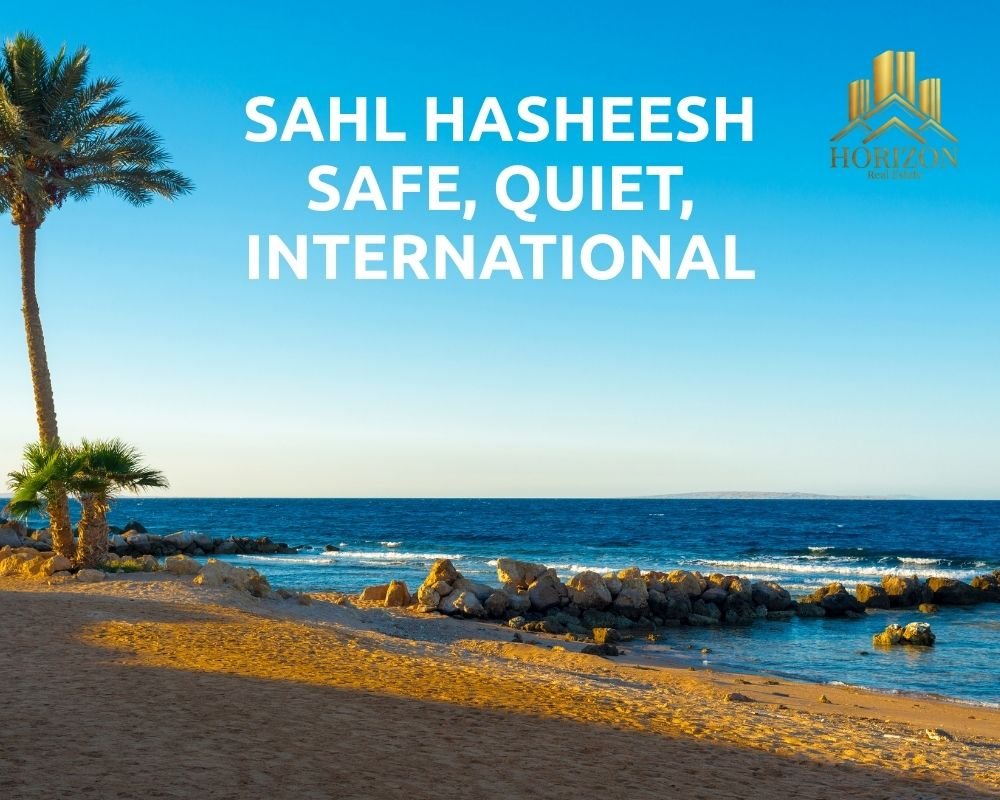
Sahl Hasheesh is the top choice for families with young children. It’s a gated community south of the city. The streets are wide, the beach is clean, and there’s very little traffic. Children can walk to the playground or ride their bikes without much worry.
The compounds (Cala, Veranda, Il Bayou) have swimming pools, kids’ clubs, and 24/7 security. You’ll find many European families here, especially in Veranda. The downside? It’s more expensive than central Hurghada, and you’ll need a car to get to supermarkets or schools (though some compounds have small shops).
Service charges: 1,000–1,800 EGP/month for a 2‑bed apartment.
El Gouna – The Ultimate Family Town
El Gouna is a fully‑planned town north of Hurghada. It has everything inside the gates: schools, a hospital, a marina, a cinema, restaurants, and even its own water plant. Many families never leave El Gouna for months.
The safety is exceptional. I’ve left my car unlocked by accident – nothing happened. Children play outside until dark. The main drawback is price. A 3‑bedroom villa in El Gouna costs $400k–$600k, and running costs are higher. But if your budget allows, it’s probably the best family environment in the Red Sea region.
Service charges: 1,000–2,500 EGP/month for a villa.
El Kawther – European Expat Hub
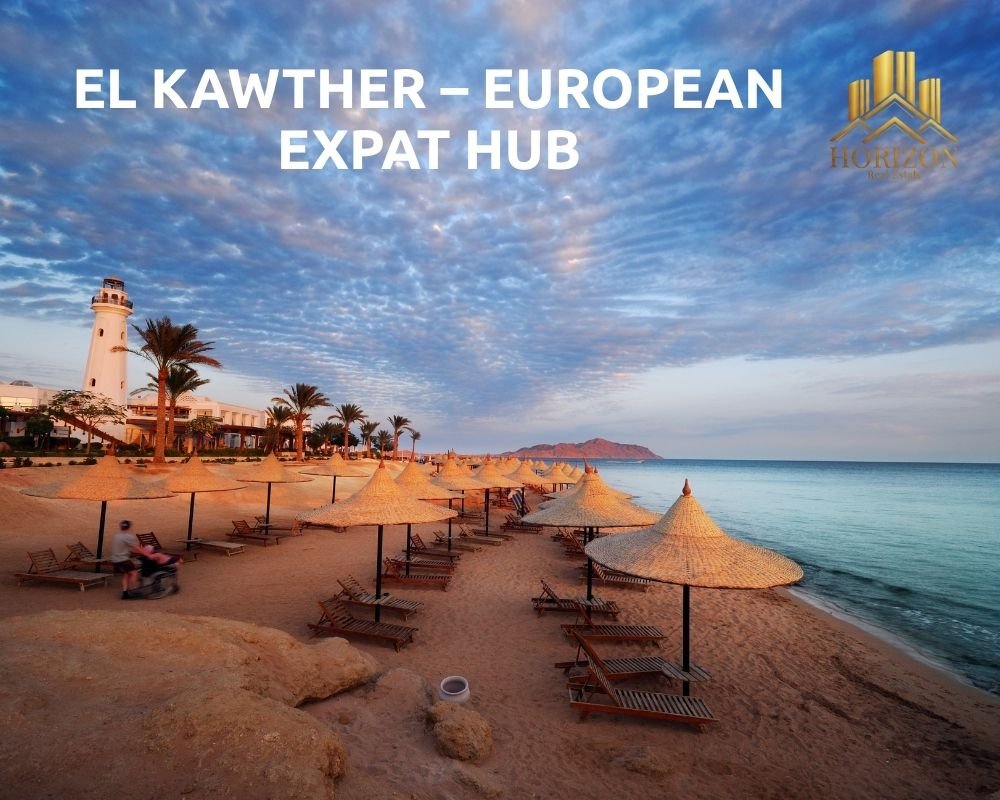
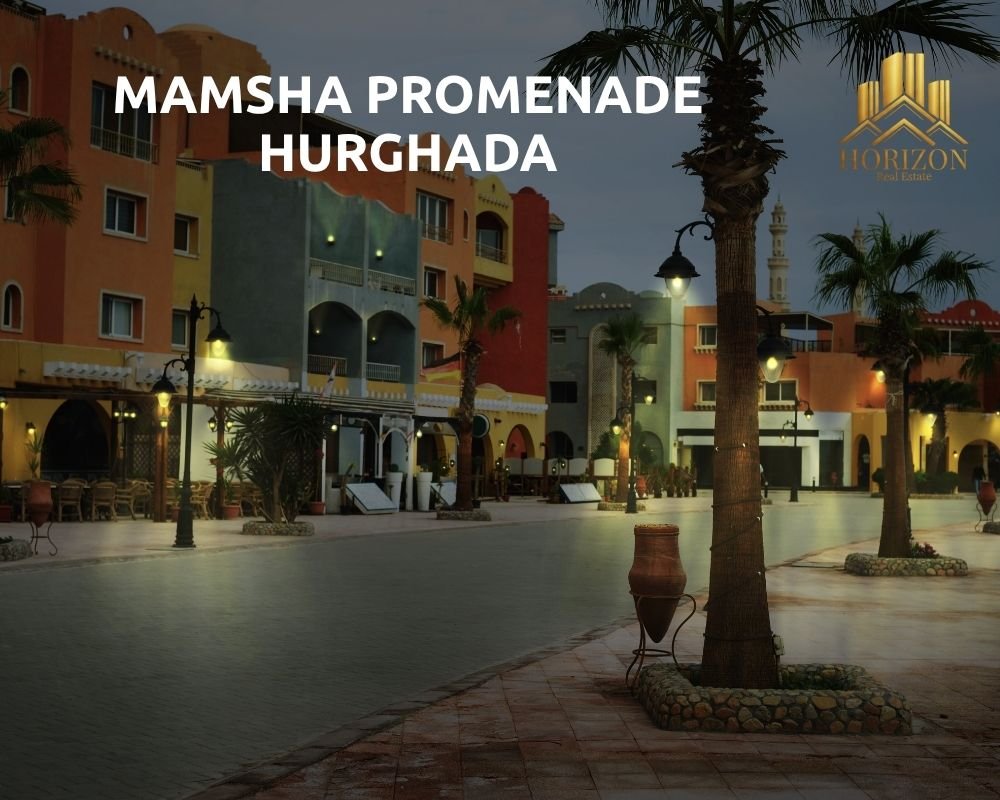
El Kawther is in central Hurghada, close to the Mamsha promenade. It’s not gated, but it’s safe and walkable. Many European expats live here because it’s affordable and near international schools. The German School Hurghada is in El Kawther, as is the British International School.
You’ll find plenty of supermarkets, pharmacies, and cafes within walking distance. The downside: no private beach, and street noise can be an issue on main roads. Choose a side street or a building set back from the main road.
Service charges: Usually none (non‑gated).
Al Ahyaa – Budget Friendly but Less Amenities
Al Ahyaa is affordable, and some streets are quiet and family‑friendly. But it’s less polished than El Kawther. You’ll find local families here, but fewer international schools nearby. The main advantage is price – a 2‑bedroom apartment might cost $25k–$35k. If you’re on a tight budget and don’t mind compromising on amenities, it’s workable.
However, I usually recommend El Kawther or Sahl Hasheesh for families. The extra cost is worth it for the schools and safety.
Makadi Bay – Quiet Resort Living
Makadi Bay is further south. It’s quieter and more isolated. Families who move there usually want a resort lifestyle with direct beach access. The housing is newer and often cheaper than Sahl Hasheesh. But you’ll drive 20–30 minutes to reach schools and main hospitals. Not ideal if you have young children in extracurricular activities.
International Schools – A Detailed Comparison
This is the most important decision for families. There are three main international schools in Hurghada. Let me compare them honestly.
| School Name | Curriculum | Annual Fees (USD) | Location | Age Range | Notes |
|---|---|---|---|---|---|
| German School Hurghada (Deutsche Schule Hurghada) | German (Thuringia curriculum) | $3,000 – $5,000 | El Kawther | Kindergarten to Grade 12 | Well‑established, strong German community. Good if your kids speak German. Official school profile. |
| British International School Hurghada | British (IGCSE, A‑Levels) | $4,000 – $6,000 | El Kawther | Ages 3–18 | Popular with UK expats. Small classes. New campus as of 2023. |
| American International School of Hurghada | American (AP, US diploma) | $3,500 – $5,500 | El Kawther | Ages 4–18 | Smaller than the British school, but good for families staying long‑term. |
There are also Egyptian private schools (e.g., Smart City International School, HOILS) that offer bilingual education (Arabic/English) for around $1,000–$2,000 per year. These are an option if you don’t need a full Western curriculum. Some expat families choose them for early years before switching to an international school later. For a broader overview of schooling options, Edarabia’s school directory provides additional details.
All three international schools have waiting lists. Apply at least six months before you plan to move. I’ve seen families arrive in September and find no spots until January. So plan ahead.
Safety – Real Talk
Is Hurghada safe for families? Yes, with caveats. Violent crime is extremely rare. I’ve never had a client experience theft or assault in a compound. But petty crime exists – unlocked cars might get rummaged through, bikes left out overnight could disappear. So use common sense.
Gated compounds (Sahl Hasheesh, El Gouna, some parts of El Kawther) are very safe. Children play outside unattended. Security guards know the residents. In non‑gated areas like Al Ahyaa, you need to be more cautious. Lock doors, don’t leave valuables visible. But even there, serious incidents are rare. For a general perspective on expat safety, this community‑sourced guide to living in Hurghada reinforces the same conclusion.
Traffic is the real danger. Egyptian driving habits are chaotic. Zebra crossings are ignored. Always hold your child’s hand when crossing the street. Avoid walking on major roads (like the airport road). Use pavements where available.
Health safety: tap water is not drinkable. Use bottled or filtered water for drinking, brushing teeth, and cooking. Most families install a filter system at home (costs about 1,000–2,000 EGP one‑time).
Healthcare for Children
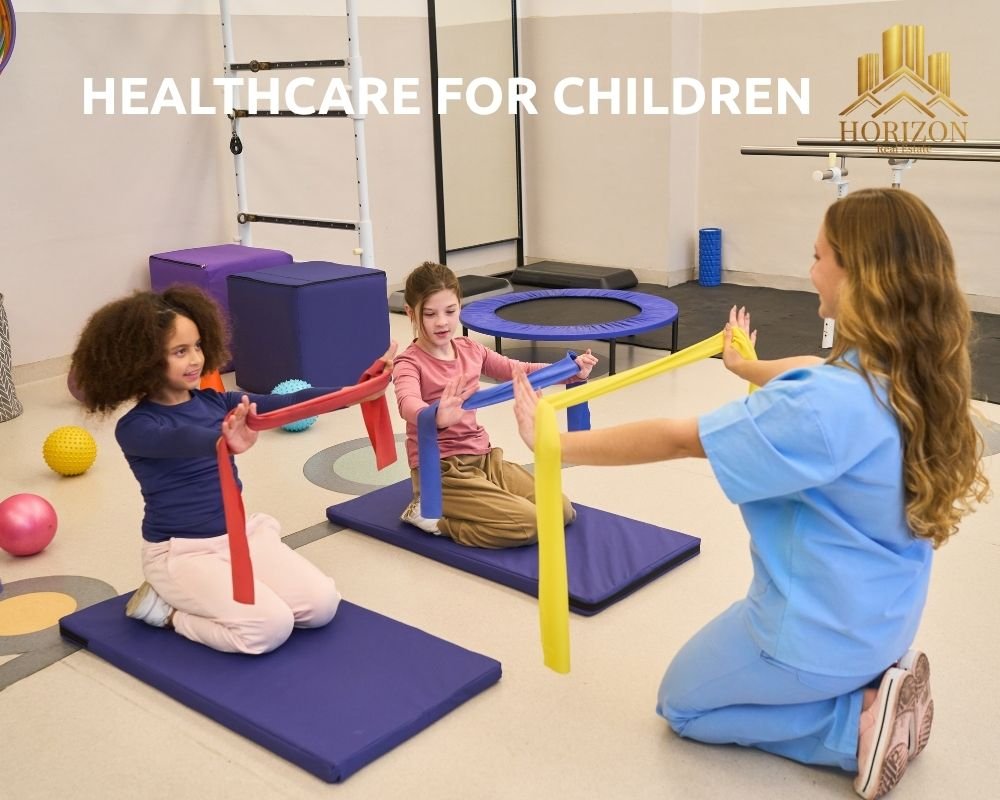
There are good private hospitals in Hurghada. Al Salam Hospital and El Hayat Hospital have paediatric departments with English‑speaking doctors. A consultation costs 500–1,000 EGP ($10–$20). Vaccinations are available and follow the WHO schedule.
For serious emergencies, you might be transferred to Cairo or flown to Europe. So international health insurance is essential. A family plan with Cigna or Allianz costs about $200–$400/month depending on coverage. Some families choose local insurance (about $50/month per person) but it’s basic.
Dental care is affordable. A child’s check‑up and cleaning costs 300–500 EGP ($6–$10). Orthodontics (braces) are much cheaper than in Europe – around $800–$1,500 total.
Monthly Budget for a Family of Four
Let me give you real numbers based on a family of four (two adults, two children) living in El Kawther, with one child in the British International School and one in nursery.
| Expense Category | Monthly Cost (USD) | Notes |
|---|---|---|
| School fees (one child, British school) | $400 – $500 | Spread over 10 months |
| Nursery (second child) | $100 – $150 | Private nursery, part‑time |
| Rent or mortgage (3‑bed apartment) | $400 – $600 | Assuming you rent, or own with minimal cost |
| Utilities (elec, water, internet) | $120 – $200 | Higher in summer (AC) |
| Groceries (mostly local) | $400 – $600 | Includes baby supplies, snacks |
| Eating out (once a week) | $100 – $150 | Family meal at a local restaurant |
| Transport (taxi, occasional car) | $80 – $120 | Assuming no car, or low fuel |
| Health insurance (family) | $200 – $300 | International cover |
| Activities, swimming lessons | $50 – $100 | Kids’ clubs, sports |
| Total monthly (approx) | $1,850 – $2,720 | Depends on choices |
If you own your property outright, subtract rent/mortgage – that drops to $1,400–$2,200. If you choose a less expensive school or a budget neighbourhood, you can go even lower. But this is a realistic comfortable budget.
Activities for Kids & Family Life
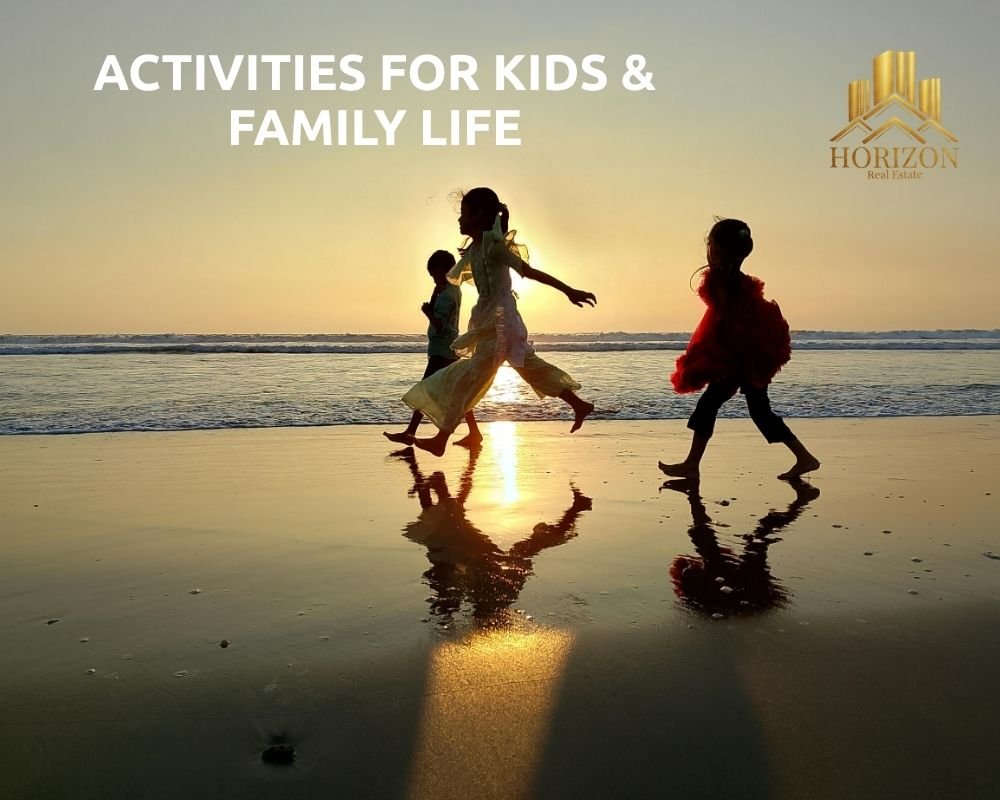
Hurghada has plenty to keep children busy. The beach is free, and the sea is shallow in many areas. There’s a water park (Sindbad Aqua Park) with passes for about 300 EGP ($6) per day. The Mamsha promenade has playgrounds, bike rentals, and ice cream shops.
Many compounds have their own kids’ pools, playgrounds, and even summer camps. The international schools offer after‑school activities (football, swimming, art, languages). Some families also hire private tutors for Arabic or Quran lessons – cost about 100–200 EGP per hour.
Weekend trips to Giftun Island (snorkelling) or desert safari are popular. A family boat trip costs about $50–$100 for a half day.
Common Mistakes Families Make
- Choosing a school after moving: As mentioned, waiting lists exist. Apply before you move. Also, check if the school follows your home country’s calendar (some have different holiday schedules).
- Buying a property without checking school commute: A villa in Makadi Bay might be beautiful, but driving to school in El Kawther twice a day will wear you out. Proximity to school should be a top priority.
- Underestimating summer heat: Outdoor activities stop between noon and 4 PM from June to September. Plan indoor entertainment or early morning beach trips.
- Not having a car: In Sahl Hasheesh or Makadi Bay, you will need a car. In El Kawther, you can manage with taxis and walking. A used car (like a Hyundai or Kia) costs $5,000–$10,000.
- Ignoring cultural differences: Egyptian children may behave differently in school (more physical play, less structured discipline). Expat kids might need time to adjust. Talk to other expat parents for support.
Real Example – A Swedish Family in Hurghada
Let me tell you about a family from Stockholm. They moved to Hurghada with two children (aged 6 and 9) in 2023. They rented for six months first – smart – in El Kawther. Then they bought a 3‑bed apartment in Sahl Hasheesh for $180k.
The children attend the British International School. The parents work remotely. Their monthly expenses are around $2,500, including school fees. They own a small car (used Nissan for $6k). They say the quality of life is much higher than in Sweden – more sunshine, less stress, and they can save money even while earning less.
But they also note challenges: the bureaucracy (getting residency took months), the summer heat, and missing family back home. Still, after three years, they don’t plan to leave.
Residency for Families – Bringing Spouse & Children
If you own property worth $100k or more, you can get one‑year residency for yourself, your spouse, and dependent children under 18. The process is the same as for an individual, but you’ll need to submit marriage certificates and birth certificates (translated into Arabic).
Children can attend school on their tourist visa while residency is processing. But you’ll need full residency to open a local bank account for them (not usually necessary). For more details, see our residency guide.
Healthcare for Children – Where to Go
- Al Salam Hospital: Has a dedicated paediatric department, 24/7 emergency. English‑speaking paediatricians available. Recommended for serious issues. Check their services on MedPharo.
- El Hayat Hospital: Similar, slightly newer facilities. French and English speaking.
- Dr. Mostafa’s Clinic (El Kawther): A local paediatrician many expats trust. No appointment needed. Cost 300 EGP.
- Vaccinations: Available at most private hospitals and clinics. The schedule follows WHO but may vary slightly from your home country. Keep your child’s vaccination records handy.
For routine check‑ups, you’ll pay 500–1,000 EGP. For emergencies, a hospital stay (non‑surgical) might cost 5,000–10,000 EGP ($100–$200). Still very cheap compared to Europe or the US.
Frequently Asked Questions – Family Edition
1. Are there playgrounds and parks for children?
Yes. The Mamsha promenade has a large playground. Some compounds (Sahl Hasheesh) have several equipped playgrounds. Public parks are limited, but the newer developments include green spaces.
2. Can children swim safely in the sea?
Most beaches are calm and shallow. However, jellyfish appear occasionally (August–September). Lifeguards are present at hotel beaches but not everywhere. Supervise your children at all times.
3. Is the tap water safe after filtering?
Yes, a good reverse osmosis (RO) filter makes tap water safe to drink. These cost 2,000–5,000 EGP installed. Many families use them. Otherwise, buy bottled water (20 litres for 15 EGP).
4. What about language barriers at school?
The international schools teach in English (or German). Egyptian staff speak English. Your child will adapt quickly, especially younger ones.
5. Are there summer camps?
Yes. The British School runs a summer camp in July. Some compounds organise camps for residents. Costs around 1,000–2,000 EGP per week.
6. How do I get a nanny or babysitter?
Live‑out nannies cost 3,000–5,000 EGP per month ($60–$100). Many expat families hire through recommendations. Ask at the school or in Facebook expat groups. Always do a background check.
7. Is it safe for teenage girls?
Generally yes. Teenage girls should dress modestly (shoulders and knees covered) to avoid unwanted attention, especially in central areas. In compounds, the rules are relaxed. Most expat teens manage fine.
8. What about homeschooling?
Some expat families homeschool. The Egyptian government requires registration with the local education authority, but enforcement is light. International schools also support homeschooling by providing materials. However, be aware that university admission may require formal credentials.
For a complete picture of Hurghada living, read our main property guide, area comparison, cost of living guide, and property management guide.
Author Bio: Written by mido kandil, Senior Property Consultant at The Horizon Real Estate Hurghada. 13 years helping foreign families relocate safely to the Red Sea.




Join The Discussion