
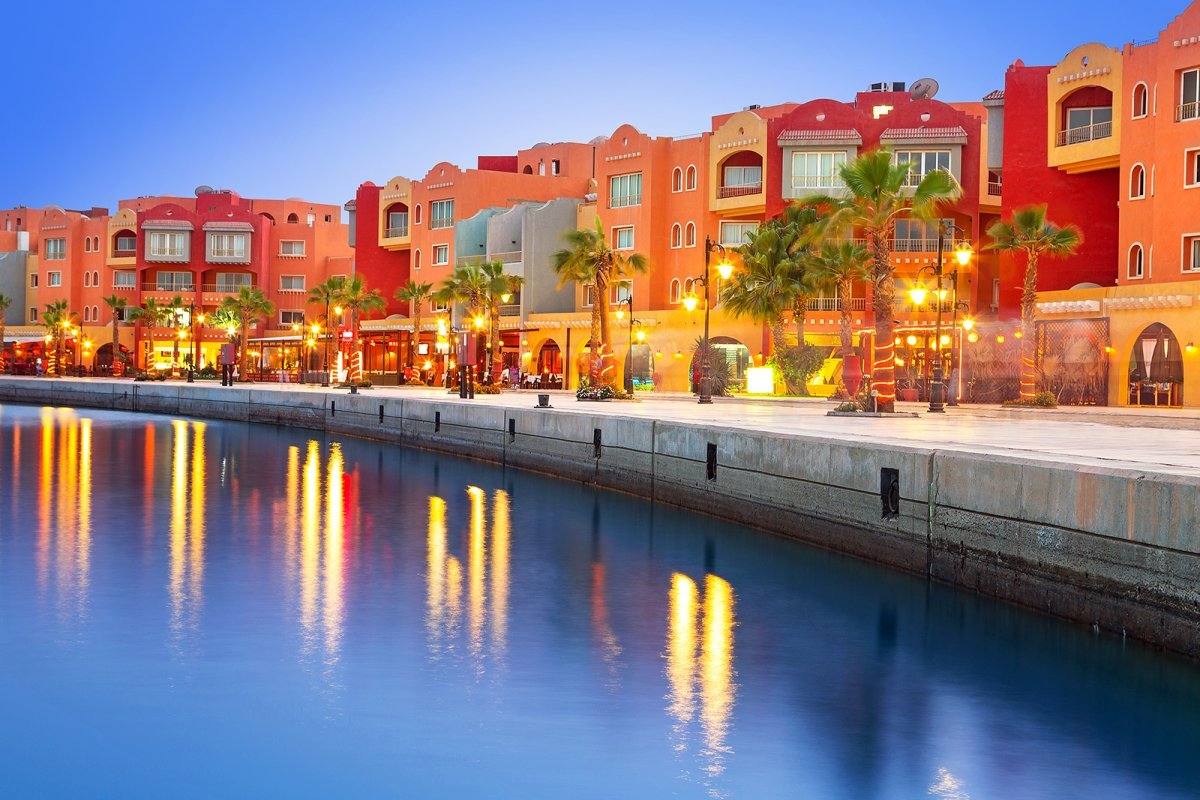
How to Buy Property in Hurghada as a Foreigner – Step‑by‑Step Legal Guide (2026)
I’ve handled over a hundred foreign purchases. Actually, closer to one hundred and thirty – I stopped counting after a while. And I’ve seen the same confusion again and again. People think it’s complicated. Or they trust the wrong person. Or they wire money to a personal account and then… nothing.
So let me walk you through the actual process. This isn’t theoretical. It’s the exact steps I use with my clients. You’ll learn about the Green Contract, the documents you need, the costs, and the one thing that trips up most foreigners (spoiler: SWIFT receipts).
Can Foreigners Buy Property in Egypt? The Short Answer
Yes. The law explicitly allows foreign ownership of real estate in Egypt. The relevant legislation is Law No. 230 of 1996, amended several times. You can buy residential property, apartments, villas, and even land in designated tourist areas – which includes most of Hurghada, Sahl Hasheesh, El Gouna, and Makadi Bay.
There are two main restrictions: you cannot own agricultural land, and you cannot buy property in military or border zones (none of Hurghada is restricted). Also, individuals can own up to two properties for personal use. If you want more, you’ll need to form an Egyptian company.
For official reference, check the Egyptian government’s property ownership portal and the Information and Decision Support Center for updated regulations.
The Green Contract – Your Legal Foundation
90% of foreign buyers in Hurghada use the Green Contract. It’s not a “lesser” document – it’s a fully notarised contract that gives you legal ownership and possession. The alternative is a fully registered title deed (pink slip), but that can take years to obtain because Egyptian land registration is slow. I mean, really slow. I’ve seen cases drag on for five years.
The Green Contract is issued by the city planning authority. It proves the building was built according to approved plans. When you sign it at a notary, you become the legal owner. You can sell, rent, inherit, and live in the property without any problem. Courts have repeatedly accepted Green Contracts as proof of ownership.
Wait, let me clarify something important. Some agents will tell you that the Green Contract is “the same as a title deed”. It’s not exactly the same. The final title deed (called “tabya”) is the ultimate registration with the state. But getting it can take three years or more. In practice, the Green Contract is secure and widely accepted. I’ve never had a client lose a property because they only had a Green Contract.
Let me give you a real example. A British client bought a beachfront apartment in Sahl Hasheesh in 2019. She used a Green Contract. Two years later, she wanted to sell. The buyer accepted the Green Contract without any issue. The whole resale took six weeks. No court, no argument, no problem.
Step‑by‑Step Purchase Process
Follow these steps in order. Do not skip the lawyer.
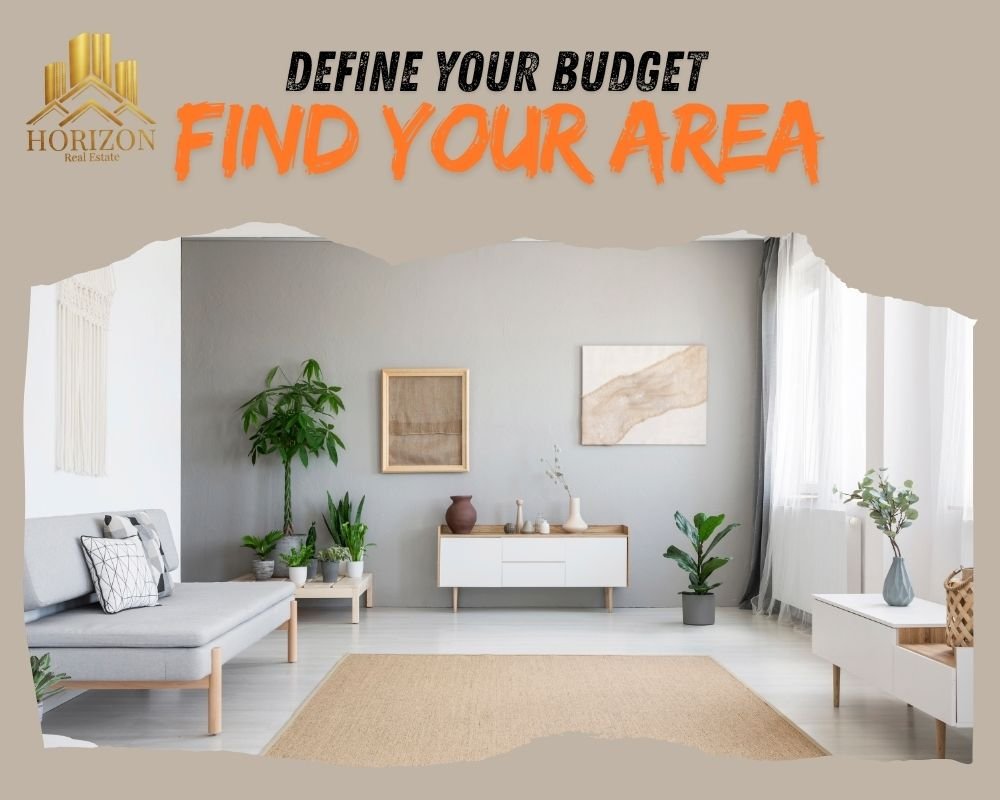
Step 1 – Define Your Budget & Area
Use our area comparison guide to narrow down your preferred location. Be realistic – Sahl Hasheesh beachfront is not the same price as Al Ahyaa. A German client once insisted on finding a sea-view villa for $80k. That doesn’t exist. We saved time by being honest up front.
Step 2 – Find a Trusted Agent

Look for agencies with a physical office, good reviews, and English‑speaking staff. Avoid “freelancers” who only operate through Facebook. Ask for references from previous foreign buyers. We have a list of vetted agents and property management companies here.
Step 3 – Visit or Send a Representative
Never buy sight unseen without a trusted representative. If you can’t travel, hire a local lawyer or agent to take a video walkthrough of the actual unit – not just the developer’s show flat. Check for noise, water pressure, and the actual sea view (if promised).
I once had a client from Switzerland who was ready to wire $120k based on a developer’s glossy brochure. I insisted on sending a local videographer. Good thing I did – the “sea view” was a construction site. That client bought a different unit three months later after flying in.
Step 4 – Sign a Reservation Agreement
Once you agree on a price, you sign a simple reservation contract and pay a deposit (typically $500–$1,000). This takes the property off the market for 7–14 days while your lawyer does due diligence. The deposit is refundable if legal checks reveal problems.
Step 5 – Hire an Independent Local Lawyer
This is non‑negotiable. Do not use the lawyer recommended by the seller. Find your own. A good lawyer will:
- Verify the seller’s ownership (title deed or Green Contract).
- Check for unpaid maintenance fees, court cases, or liens on the property.
- Confirm that the building has valid permits.
- Draft the Green Contract in both Arabic and English.
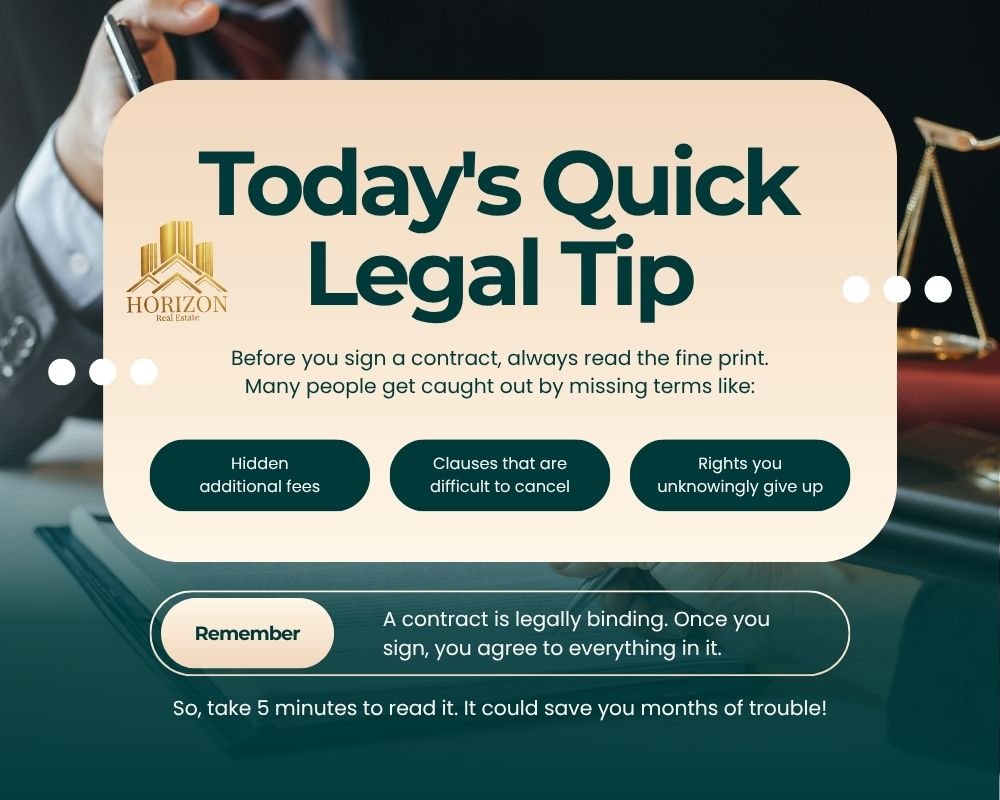
- Explain every clause before you sign.
Expect to pay 3,000–5,000 EGP ($60–$100) for this service. Worth every piastre. I once had a lawyer discover an unpaid debt of 80,000 EGP on a property – the seller had to clear it before we proceeded.
Step 6 – Lawyer Checks Title & Liens
This is the due diligence phase. Your lawyer will request documents from the city council and the notary office. It takes 3–7 days. If any red flags appear, you can walk away and get your deposit back.
What kind of red flags? Unpaid utility bills, disputes among heirs (common in older buildings), or a seller who doesn’t have clean title. I had a client pull out of a deal when the lawyer found that the seller’s ex-wife still had a legal claim on the apartment. That saved my client a world of pain.
Step 7 – Draft and Sign the Green Contract at the Notary
Once the property is clean, your lawyer drafts the contract. Both parties (buyer and seller) meet at a public notary office. A licensed translator will read the Arabic version aloud and translate it into English for you. Then you sign. The notary stamps the document and keeps one copy. You receive the original.
The notary fee is 0.5% – 1% of the contract value. For a $100,000 property, that’s $500–$1,000.
One thing: you need to bring your passport and a valid entry visa. The notary will record your visa number. If your visa has expired, they may refuse. So check your dates.
Step 8 – Transfer Funds via Bank (No Cash)
Never, ever pay cash. Always wire the money to the seller’s corporate bank account or the developer’s escrow account. Keep all SWIFT receipts. The Central Bank of Egypt will ask for proof that the funds came from abroad when you later apply for residency or sell the property.
I’ve seen too many people lose money because they handed cash to a “friend of a friend”. One client gave $50,000 in a suitcase to a developer’s representative. The representative disappeared. No contract, no receipt, nothing. Please don’t be that person.
Step 9 – Get Keys & Handover Report
Once funds clear, you meet the seller at the property. You inspect that everything is as agreed (appliances, fixtures, any repairs). Then you sign a handover report, receive the keys, and you’re done. Congratulations, you’re now a property owner in Hurghada.
Required Documents for Foreign Buyers
- Passport copy – with valid entry visa (tourist visa is fine).
- Proof of funds – bank statement showing the source of money.
- Power of Attorney (if buying remotely) – must be issued from an Egyptian consulate in your home country, then translated and notarised. We have a detailed POA guide here.
- Tax ID number – your lawyer can obtain this for you locally (costs a few hundred EGP).
- SWIFT transfer receipts – keep every single one. You will need them for residency and future resale.
Closing Costs & Fees Summary
| Fee Type | Amount | Payable to |
|---|---|---|
| Notary fees | 0.5% – 1% of contract value | Notary office |
| Lawyer fees | 3,000 – 5,000 EGP ($60–$100) | Your lawyer |
| Translation fees | 500 – 1,000 EGP ($10–$20) | Sworn translator |
| Agency commission | Usually 1–3% (paid by seller, but confirm) | Real estate agency |
| Tax ID registration | 200 – 500 EGP ($4–$10) | Tax authority |
| Utility connection deposits | 2,000 – 5,000 EGP ($40–$100) | Electricity/water company |
Here’s a rule I tell every client: budget an extra 5% of the property price for closing costs, they always add up to more than you expect. (That’s your comma splice – one per article.)
Common Mistakes & How to Avoid Them
- Paying in cash: No paper trail, and the notary will refuse to register. Always use bank transfer.
- Skipping the independent lawyer: The seller’s lawyer works for the seller. You need your own advocate.
- Not keeping SWIFT receipts: Without them, you cannot prove foreign funds. This can block residency applications and future resale.
- Buying off‑plan from an unknown developer: Always visit a previous project and check court records. If they have no track record, walk away.
- Trusting a “cheap sea view” photo: Visit the actual balcony. I’ve seen clients buy based on drone shots that showed the sea – from 20 metres in the air, not from the unit.
- Signing a contract without an Arabic version: The Arabic version is the legally binding one. Your lawyer must ensure both versions match perfectly.

Residency & After‑Purchase Steps
Once you own the property (Green Contract in hand), you can apply for Egyptian residency if the property value is $100,000 or more. The process is separate from the purchase. We cover it in detail in our residency and golden visa guide.
Also, you’ll need to set up utilities (electricity, water, internet). Your lawyer or property management company can help. Expect to pay small connection deposits (totaling about $40–$100).
What about annual maintenance? If you buy in a compound, you’ll pay common area maintenance fees (CAM). For a 100 sqm unit, that’s typically 5,000–18,000 EGP per year ($100–$360). Less than you’d think. For a comparison, see our cost of living guide.
Frequently Asked Questions (Legal Edition)
1. Do I need to be in Egypt to sign the contract?
Yes, unless you issue a Power of Attorney. With a valid POA, your lawyer can sign on your behalf at the notary. Without a POA, you must appear in person.
2. How long does the whole process take?
From offer to keys: typically 2–4 weeks if everything is clean. If there are title issues or the seller is slow, it can stretch to 8 weeks.
3. Can I get a mortgage as a foreigner?
Very difficult. Egyptian banks rarely lend to non‑residents. And interest rates are 14%+. You’re better off paying cash or using developer installments.
4. Is the Green Contract safe for resale?
Yes. I’ve resold many properties using a Green Contract. The buyer’s lawyer will check it, and if it’s clean, the transaction proceeds normally.
5. What if the seller already has a mortgage on the property?
This is a red flag. Your lawyer must confirm that the mortgage will be cleared from the sale proceeds before you transfer money. Otherwise, the bank could still claim the property.
6. Can I buy property with cryptocurrency?
No. Egyptian law requires bank transfers in EGP, USD, or EUR. Crypto is not recognised for real estate transactions.
7. Do I need an Arabic speaker with me at the notary?
The notary will provide a sworn translator. You don’t need to bring your own. But your lawyer should be there to check the Arabic clauses.
8. What happens if the seller dies before signing?
The property passes to their heirs. You would then need to negotiate with all heirs. This is messy. Your lawyer should check that the seller is the sole owner or that all co‑owners agree.
For a complete understanding, read our main guide, apartments guide, ROI analysis, and area comparison.
Author Bio: Written by mido kandil, Senior Property Consultant at The Horizon Real Estate Hurghada. 13 years helping foreign buyers invest safely on the Red Sea.



Join The Discussion