
Buying a property for sale is one of the biggest decisions you’ll ever make. It’s not just a transaction. It’s a mix of emotion, math, timing, and paperwork. Get it right, and you build wealth and peace of mind. Get it wrong, and you spend years paying for a mistake you can’t undo.

This guide walks you through the entire journey, from the moment you start searching to the moment you hold the keys. No fluff. No sales pitch. Just what actually matters when you’re buying a property for sale in 2026.
If you’re new here, start with this guide. It’s the pillar that connects everything else on this blog. Every section below links to a deeper article if you want to go further.
What Does “Property for Sale” Really Mean Today?
Fifty years ago, “property for sale” meant a house, a plot of land, or a shop. Simple. Today, the phrase covers a much wider world:
- Residential homes (apartments, villas, townhouses)
- Commercial units (offices, retail, warehouses)
- Land and plots
- Off-plan properties (not yet built)
- Short-term rental properties
- Fractional ownership shares
The problem? Most buyers treat them all the same. They don’t. Each type has its own rules, risks, and returns.
Types of Properties for Sale

1. Apartments
Lower entry price, easier maintenance, and often better rental yield. But shared walls, service charges, and less privacy. Best for first-time buyers and investors.
2. Villas and Townhouses
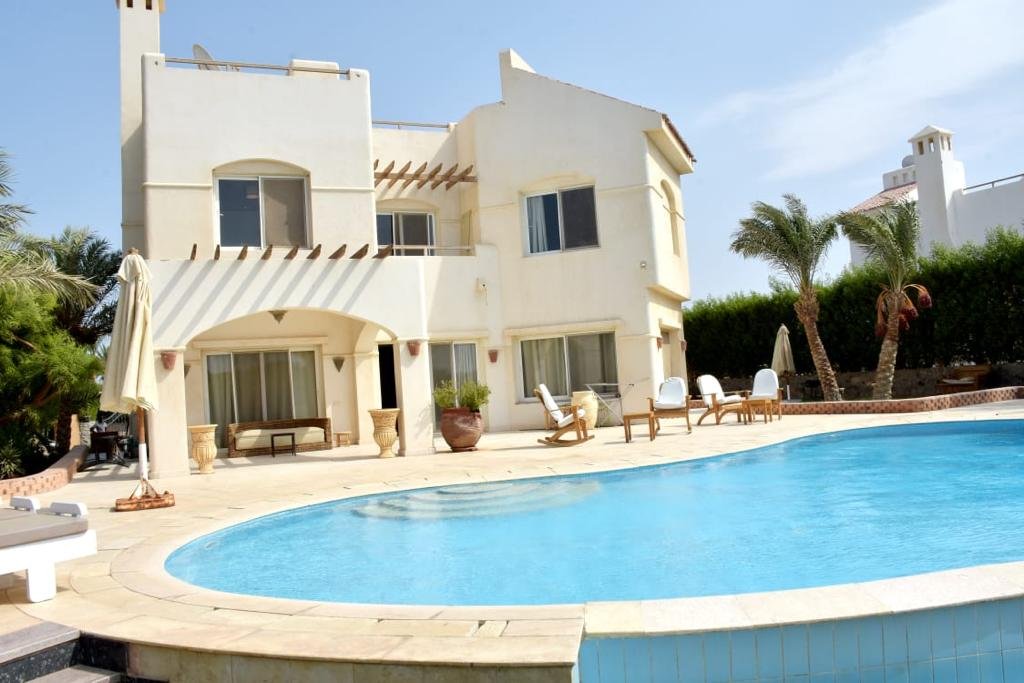
More space, more privacy, more responsibility. Higher price, higher maintenance. Best for families and long-term residents.
3. Resort and Hotel Residences

Fully managed, furnished, and operated by a hotel brand. Higher entry price but hands-free ownership. Best for investors and part-year residents.
4. Residential Compounds
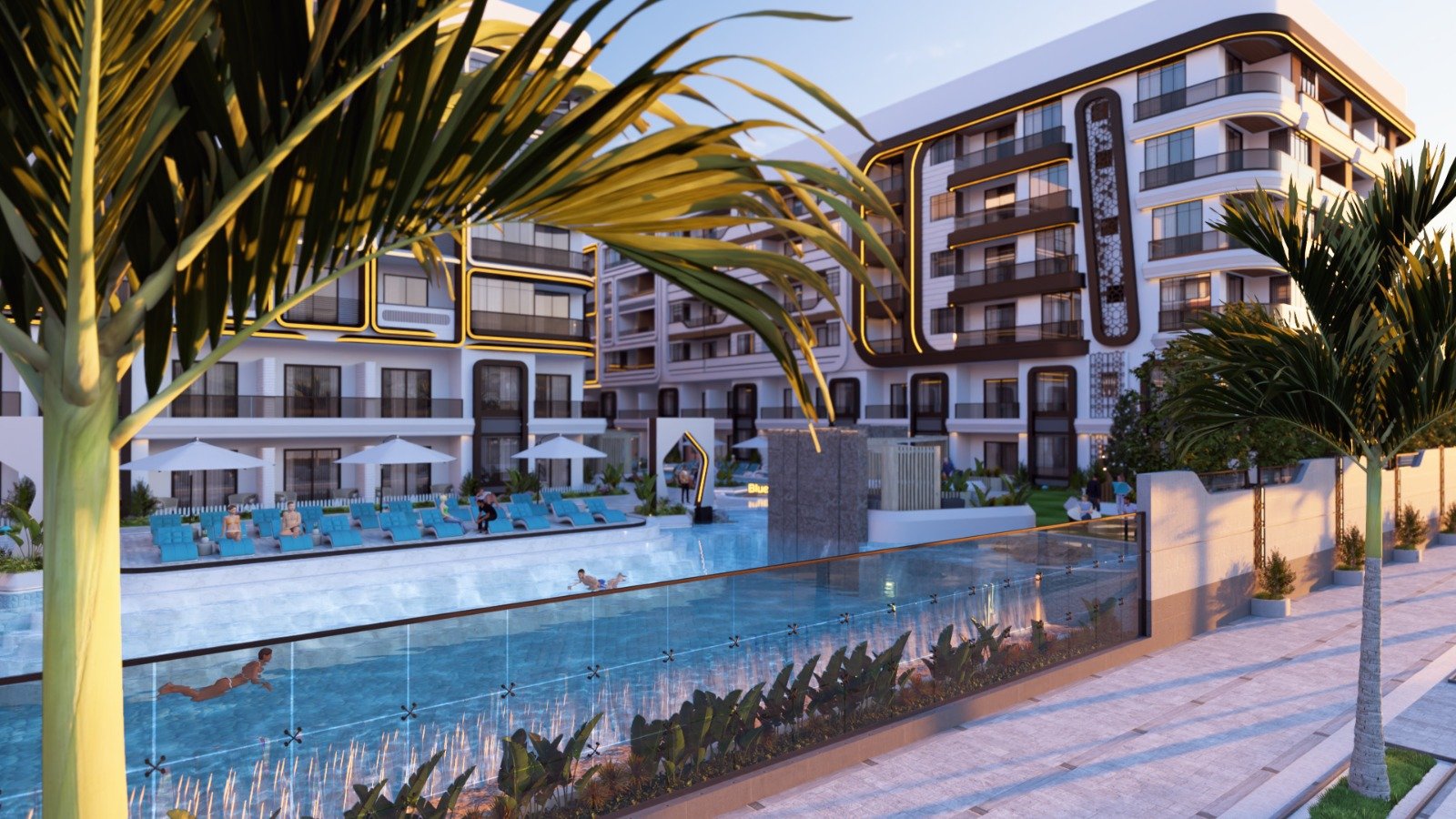
Shared amenities, gated security, and a managed environment. A middle ground between standalone apartments and full resort living.
Whichever type you choose, remember: the cheaper price isn’t always the better deal. What matters is the total cost of ownership.
How to Set Your Budget Before You Fall in Love
Here’s the biggest mistake most buyers make: they look at listings first, then check their budget. That’s backwards. The right order is budget first, listings second.
- Down payment
- Mortgage or financing costs
- Closing fees and taxes
- Agent commissions
- Moving costs
- Renovation and furnishing
- Annual maintenance and service charges
- Insurance
Most buyers underestimate these by 15 to 25 percent. That’s not a small gap. That’s the difference between comfort and stress.
To go deeper into every hidden cost, read our full breakdown: hidden costs of buying a property.
Location: The One Thing You Can’t Renovate

You can change the kitchen. You can repaint the walls. You can replace the floors. But you can’t move the property. Location is the one thing you’re stuck with forever.
For the full checklist, read: how to choose the right location.
Financing and Mortgages
Unless you’re paying cash, you’ll need financing. And financing is where most buyers lose money without realizing it.
The two numbers that matter most: interest rate and term length. A 1 percent difference over 20 years can cost you tens of thousands.
For a full breakdown, read: mortgage guide for first-time buyers.
Property Inspection: What to Check Before You Pay
Never buy a property without an inspection. Never. No matter how good it looks, how nice the seller seems, or how fast the market is moving.
For the full checklist, read: property inspection checklist.
Legal Steps and Paperwork
Paperwork doesn’t lie. People do. That’s why the legal side of buying a property for sale matters more than most buyers realize.
For a full walkthrough, read: legal steps when buying property.
How to Negotiate the Price
Negotiation isn’t about being aggressive. It’s about being prepared.
For scripts and tactics, read: how to negotiate the property price.
Step-by-Step Buying Process
- Set your budget and get pre-approved
- Define your must-haves vs nice-to-haves
- Search and shortlist properties
- Visit in person twice, if possible
- Make an offer and negotiate
- Sign the initial agreement
- Conduct inspection and due diligence
- Finalize financing
- Complete legal paperwork and transfer
- Receive keys and register utilities
For the full breakdown, read: step-by-step property buying process.
Investment or Home? How to Decide
A home is where you live. An investment is where your money grows. They overlap, but they’re not the same.
For a deeper look, read: investment vs home.
10 Mistakes That Cost Buyers Thousands
- Falling in love with the first property
- Skipping the inspection
- Underestimating hidden costs
- Not comparing lenders
- Ignoring the location at night
- Trusting the seller’s word over paperwork
- Buying emotionally instead of logically
- Not negotiating at all
- Forgetting future resale value
- Rushing the legal process
For the full list with examples, read: mistakes when buying property.
FAQ
What is the best time to buy a property for sale?
The best time is when your finances are ready and the market offers fair value. Trying to time the market perfectly usually leads to missed opportunities.
How much should I pay as a down payment?
Most lenders require 10 to 20 percent. Paying more reduces your monthly cost and total interest, but leaves you with less cash.
Can I buy a property for sale without an agent?
Yes, but you’ll handle negotiations, paperwork, and legal checks yourself. For first-time buyers, an agent is usually worth the cost.
What’s more important: price or location?
Location. You can negotiate price. You can’t negotiate location.
How long does the buying process take?
Anywhere from 4 weeks to 6 months, depending on financing, paperwork, and the market.
Final Thoughts
Buying a property for sale is not just about finding a good listing. It’s about knowing what you can afford, choosing the right location, inspecting carefully, negotiating fairly, and handling paperwork properly.
For more, revisit the complete Property for Sale: The Ultimate Guide whenever you need to.

Join The Discussion