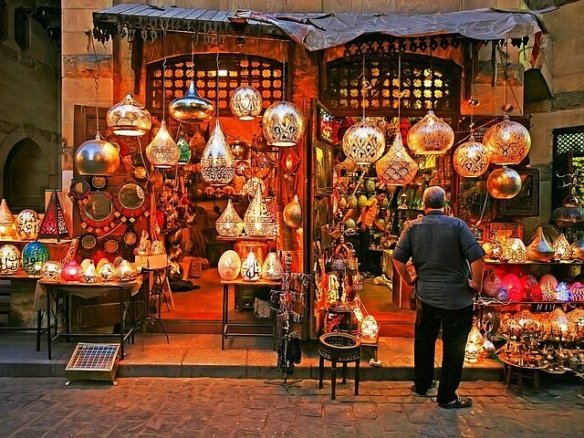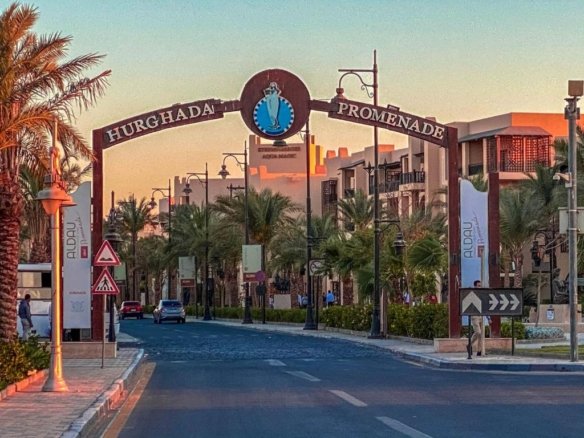
Ever wondered what really tips the scales when you’re picking a coastal spot to drop money on in 2026? Like, seriously – it’s not just about grabbing the cheapest thing you see anymore, you know? Back then, people would spot a rock-bottom price and think, “yep, that’s it, done.” But now? Man, it’s gotten complicated.
These days you’ve got to think about a bunch of stuff: decent Airbnb income that actually shows up in your bank, whether the property value might climb nicely over the next few years (price growth potential), how easy (or annoying) it is to get residency papers, and honestly the biggest one – that gut feeling your investment isn’t gonna vanish in some weird economic mess.
Hurghada on the Red Sea and Antalya on the Med have been fighting tooth and nail for folks like Germans, Brits, Russians, and even some Gulf buyers who want sun, beaches, and a bit of extra cash from renting out. Both look amazing on paper – year-round good weather, nice shores, that whole passive income dream. But when you actually dig in, they’re not the same at all.
Take last year, 2025: Antalya hit something crazy like 17 million tourists – just the city itself, that’s wild (tourism explosion). Egypt pulled in almost 19 million total, and Hurghada (plus Sharm and Marsa Alam) ate up a huge chunk of it, mostly because Europeans flee the cold straight there in winter.
Prices are interesting too. In Hurghada you’re probably looking at $1,200–$2,500 per square meter for a normal new-ish apartment (not smack on the beach), and if it’s proper beachfront, easy $2,200 up to $3,000 or more depending who you ask. Antalya? A lot of areas were sitting around $900–$1,300 per m² last year – feels a little kinder to the wallet at the entry level, though the fancy bits in Lara or Konyaaltı push up quick.
And short-term rentals? Hurghada hangs around 48% occupancy with nights averaging $50–$58, so maybe $9k a year if your unit’s decent (Airbnb returns). Antalya sneaks ahead a touch – closer to 54% filled and $60–$70 a night in spots, so the money feels more reliable month-to-month from what I’ve seen chatting with people (rental yields).
Point is, it’s not some slam-dunk “this one destroys that one” story like half the blogs scream. If you’re hunting fast growth in value (some spots in Hurghada are talking 5–15% bumps into 2030), developer plans where you pay over 5–10 years with zero interest headaches, and strong winter cash flow – yeah, Hurghada might click for you (buy-to-let edge). But if shorter/cheaper flights from Europe matter, or you want infrastructure that feels more sorted, or rentals that don’t dip as hard in summer – Antalya could steal it (year-round rental demand).
We’ll go through it all here with fresh numbers straight from early 2026 – prices, tourist flows, yields, the risks nobody likes talking about, residency tricks, lifestyle fit, plus a couple real stories from investors I’ve run into. No hype, just straight talk so you can pick what actually suits your life – whether it’s Hurghada or Antalya for your next coastal property investment.
If you’re seriously eyeing a beach property this year, give it a few more minutes – might save you some real cash… or at least stop you walking into an expensive headache.
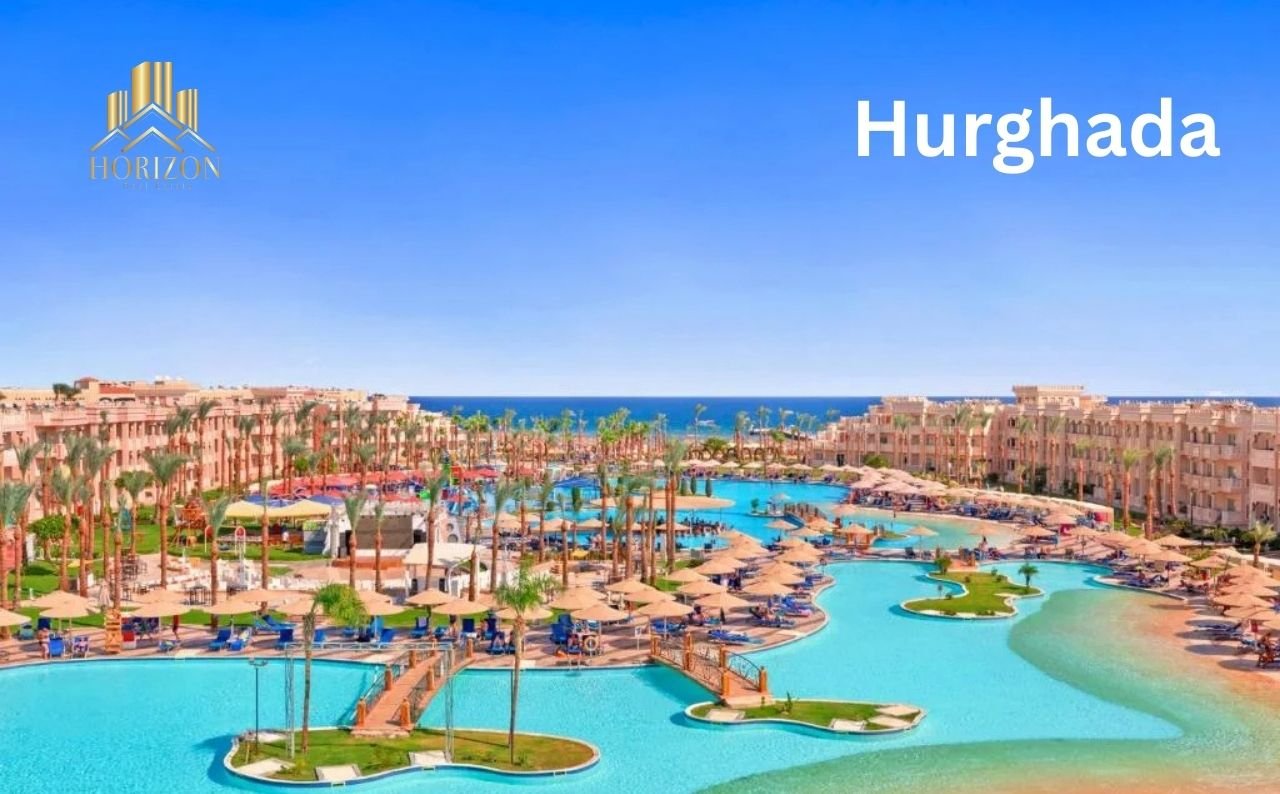
Why Compare Hurghada and Antalya in 2026?
Look, if you’re scrolling through property listings right now, wondering why these two spots keep popping up in your feed, you’re not alone. A lot of folks – especially from Germany, the UK, Russia, or the Gulf – are asking the exact same thing in early 2026: Red Sea growth or Mediterranean stability? Which one actually makes more sense for my money this year?
A couple years back it was simpler – Antalya felt like the safe, obvious pick for Europeans because of the short flights and all the established resorts. But things have shifted fast. Costs in Europe are still climbing (inflation, energy bills, you name it), and Turkey’s lira has had its ups and downs, so more buyers are looking south toward Egypt for better value and bigger upside. At the same time, Hurghada has been quietly building momentum – new flights, upgraded airports, and that winter sun that Europeans crave more than ever.
What German and British buyers actually care about these days isn’t just “cheap” anymore. It’s a mix:
- Can the rental income cover a big chunk of the mortgage or even pay it off over time?
- Will the property price keep rising without crazy risks?
- How easy is it to get residency or visit without hassle?
- And honestly – does it feel like a place I’d actually enjoy spending time, or just a spreadsheet play?
Hurghada tends to win on raw potential – faster price growth in some areas, super flexible developer payment plans (sometimes 0% interest over 5–10 years), and those killer winter Airbnb peaks. Antalya fights back hard with steadier year-round bookings, closer flights (often 3–4 hours vs 5+ to Egypt), and infrastructure that already feels more “done” – roads, hospitals, malls, all polished.
So yeah, comparing them head-to-head in 2026 isn’t hype – it’s necessary. The markets have changed enough that what worked in 2023 or 2024 might not cut it anymore. Stick around and we’ll break down the real numbers so you can see which one lines up better with what you’re actually after. No fluff, just the stuff that matters when you’re about to sign a contract.
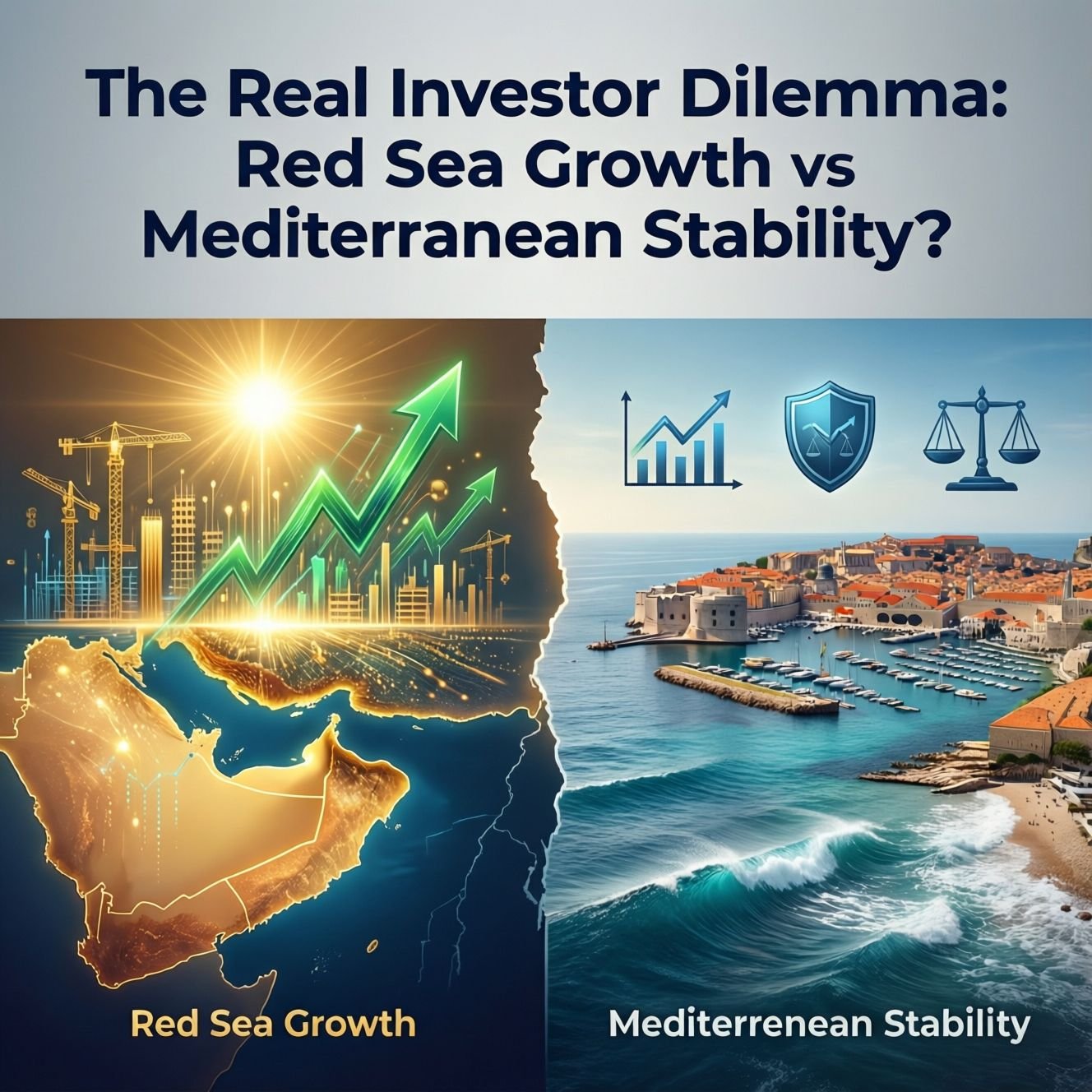
The Real Investor Dilemma: Red Sea Growth vs Mediterranean Stability?
Most people land on this comparison because they’re stuck right in the middle of that exact tug-of-war: do I chase the Red Sea explosion with Hurghada – all that fresh momentum, tourism boom, and developer deals that feel almost too good – or do I play it safer with Mediterranean steadiness in Antalya, where the market’s already mature, the bookings more predictable, and everything just feels… settled?
It’s a real dilemma in 2026, no joke. If you’re the type who gets excited about faster price growth (some Hurghada spots are still whispering 5–15% annual bumps into 2030, especially near new marinas or the airport upgrades), plus those crazy flexible payment plans (5–10 years, often zero interest, letting you lock in without draining your savings upfront), then Hurghada can feel like the no-brainer. The winter rental demand is insane – Europeans literally running from snow straight to the Red Sea, pushing Airbnb occupancy and rates way up from November to March. That means stronger short-term rental yields in peak season and a shot at serious passive income if you manage it right.
But then you flip the coin and Antalya starts looking pretty damn solid. The Mediterranean coast has that year-round rhythm – summer crowds from Europe, shoulder seasons still decent, and even quieter months don’t drop off a cliff like they sometimes do in Hurghada. Occupancy averages tend to hover higher overall (closer to 54% vs Hurghada‘s 48% in many reports), and the nightly rates feel more consistent month-to-month. Infrastructure? Already there – smooth roads, big hospitals, international schools, malls that actually work. Flights are shorter and cheaper (3–4 hours from most European hubs vs 5+ to Egypt), so visits or quick checks on your property don’t turn into a hassle. And resale? Usually easier in a more established market where buyers already know the area inside out.
From what I’ve seen talking to investors – Germans especially – it boils down to risk appetite. If you’re okay with a bit more volatility (currency swings in Egypt, seasonality that can bite in summer, some bureaucracy quirks) in exchange for higher upside potential and lower entry costs in prime coastal property investment zones, Hurghada pulls ahead. But if you want sleep-at-night stability – steadier rental yields, less drama with the economy or politics, and a place that feels like a “done deal” rather than a “rising star” – Antalya often wins the argument.
Neither is wrong. It just depends on what keeps you up at night – missing out on big gains, or losing sleep over unexpected dips. That’s the real investor dilemma in 2026: Red Sea rocket fuel or Mediterranean smooth sailing. The rest of this breakdown will help you figure out which one actually fits your wallet, your timeline, and your gut.
Location of Hurghada on the map
How Rising Costs in Europe & Turkey Are Shifting Buyer Priorities
Yeah, one of the biggest drivers pushing people to rethink their overseas options right now in 2026 is just how expensive life has gotten back home – and not just in Europe, but in Turkey too.
Let’s start with Europe. Even though headline inflation has cooled off (euro area sitting around 2.1–2.4% late last year, UK at about 3.2% in November), the cost of living crisis hasn’t really gone away. Energy bills are still biting hard after the post-2022 spikes, groceries feel permanently higher, and housing? Forget it – rents and mortgages in places like Germany, the UK, or France are eating up way more of people’s income than they used to. A lot of folks I hear from say it straight: “I can’t afford to buy where I live anymore, so why not look abroad for something that actually builds wealth instead of draining it?”
That frustration is sending more European buyers south, hunting for spots where their euros or pounds stretch further and maybe even generate some passive income.
Then there’s Turkey. Man, the inflation rollercoaster there has been wild. End of 2025, annual inflation eased to around 30.9% in December – better than the crazy highs before, sure, but the yearly average was still 34.9%. That’s after 58.5% in 2024. The lira’s volatility means everyday costs (food, utilities, maintenance) keep jumping, and even though property prices in Antalya look decent in dollars sometimes, the ongoing swings make buyers nervous. Foreign sales dipped in 2025 too – down over 12% in the first half compared to before. Some who locked in earlier are happy, but new buyers are pausing, thinking twice about tying up cash in a market that still feels shaky.
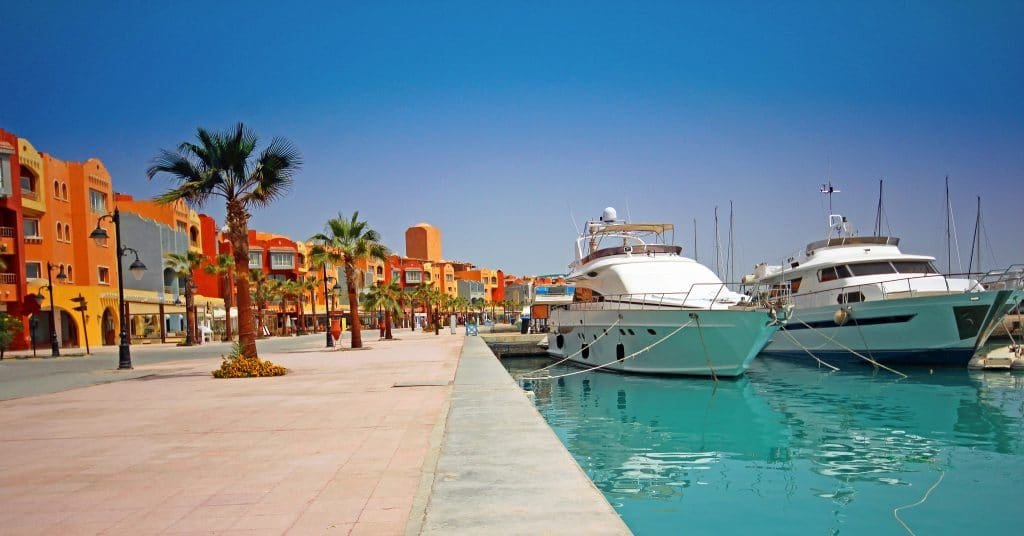
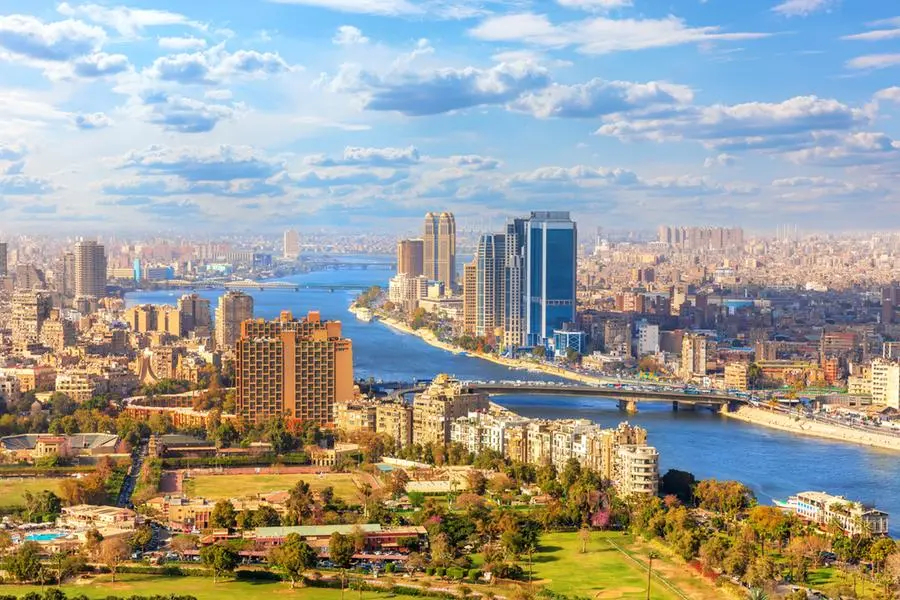
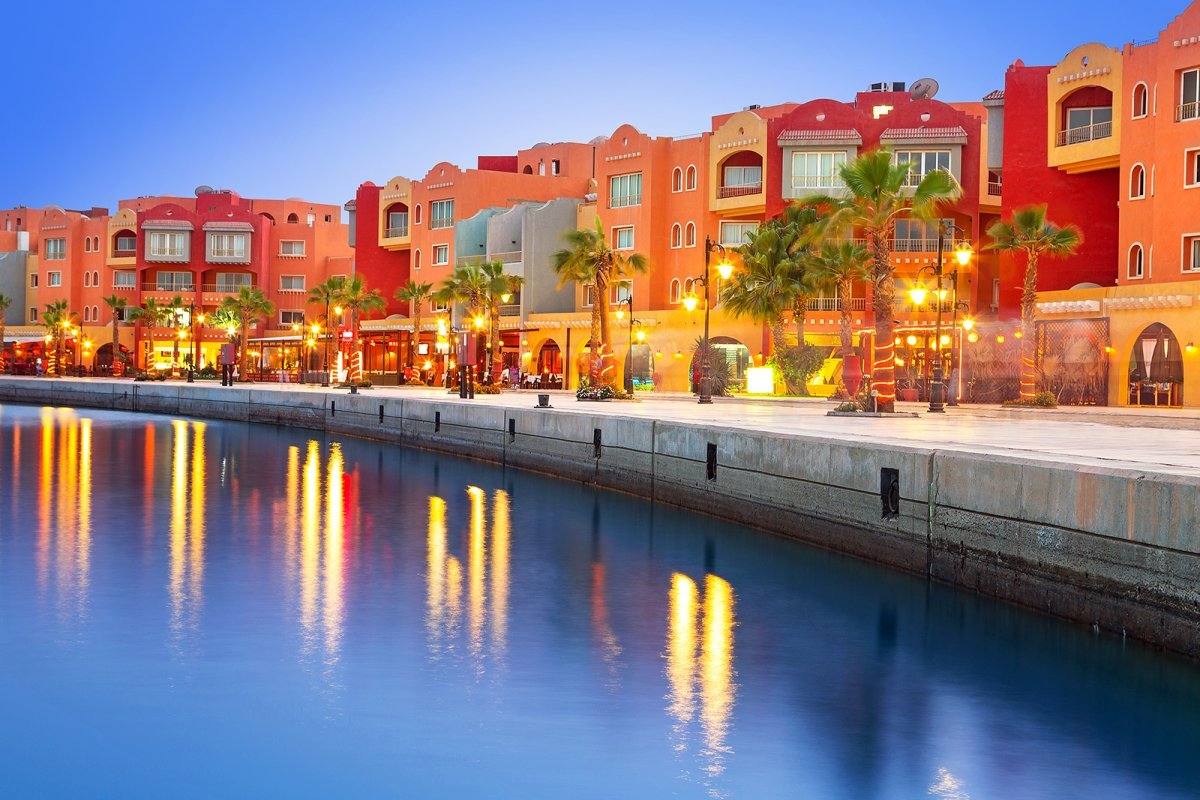
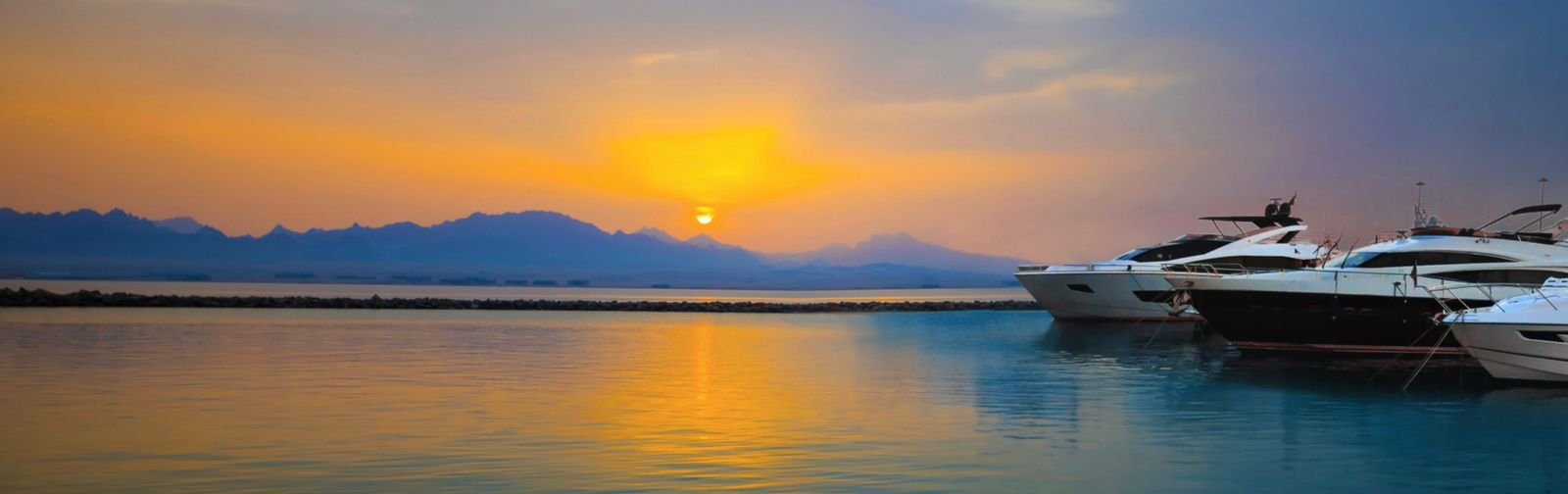
The enchanting secret beauty of Hurghada
The mild weather throughout the year, the beauty of the Red Sea, and the magnificence of the architecture.
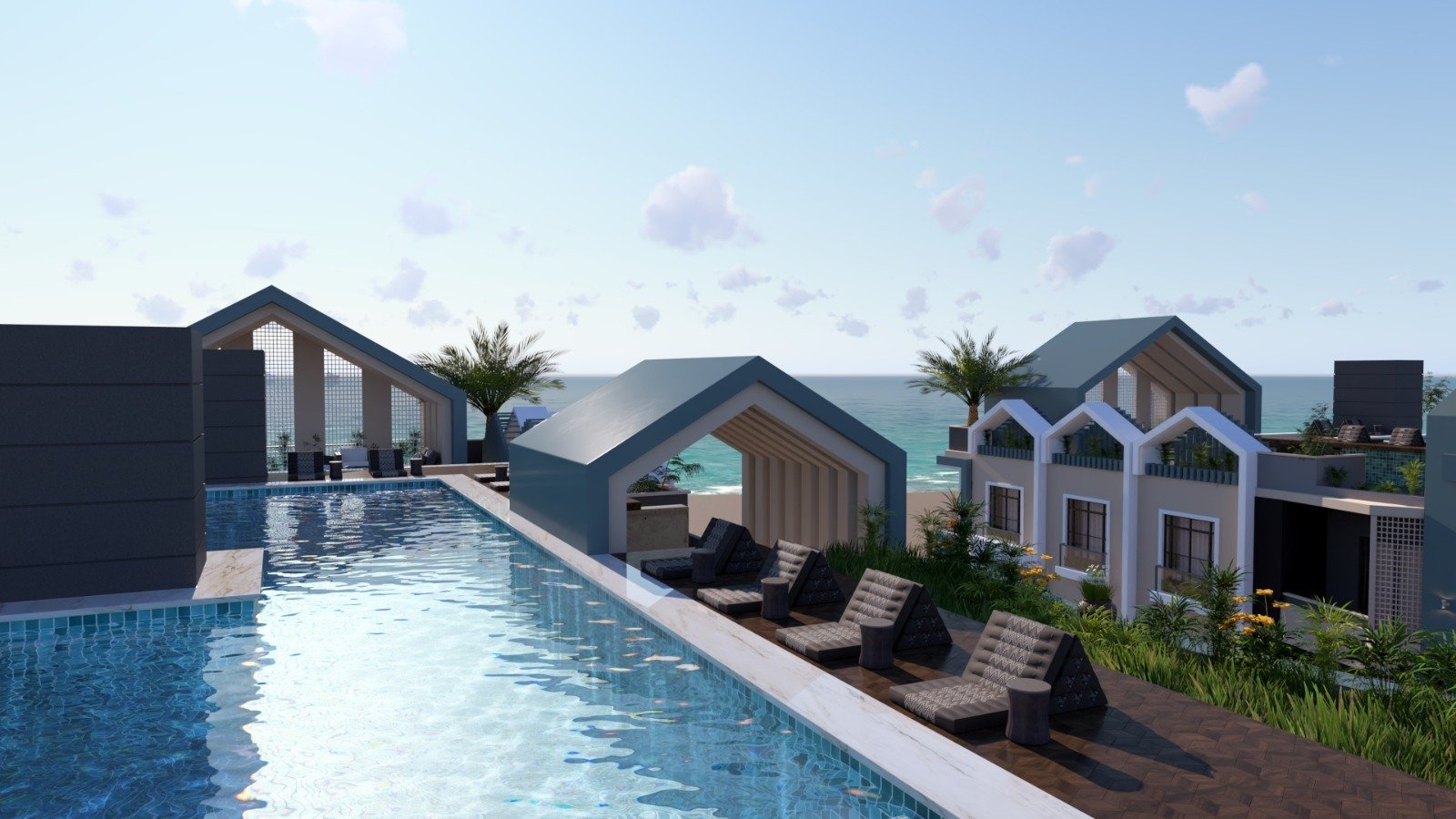
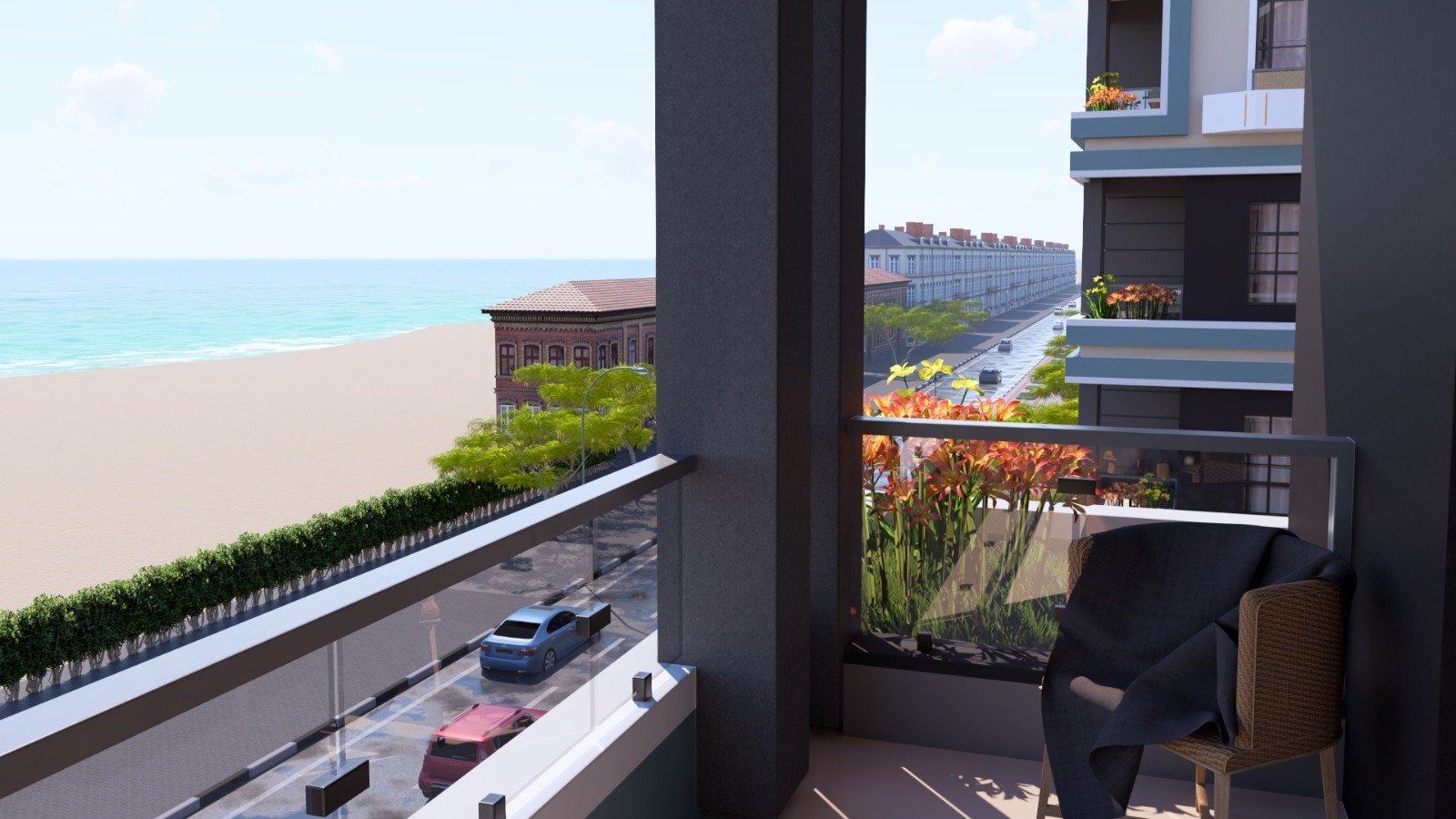
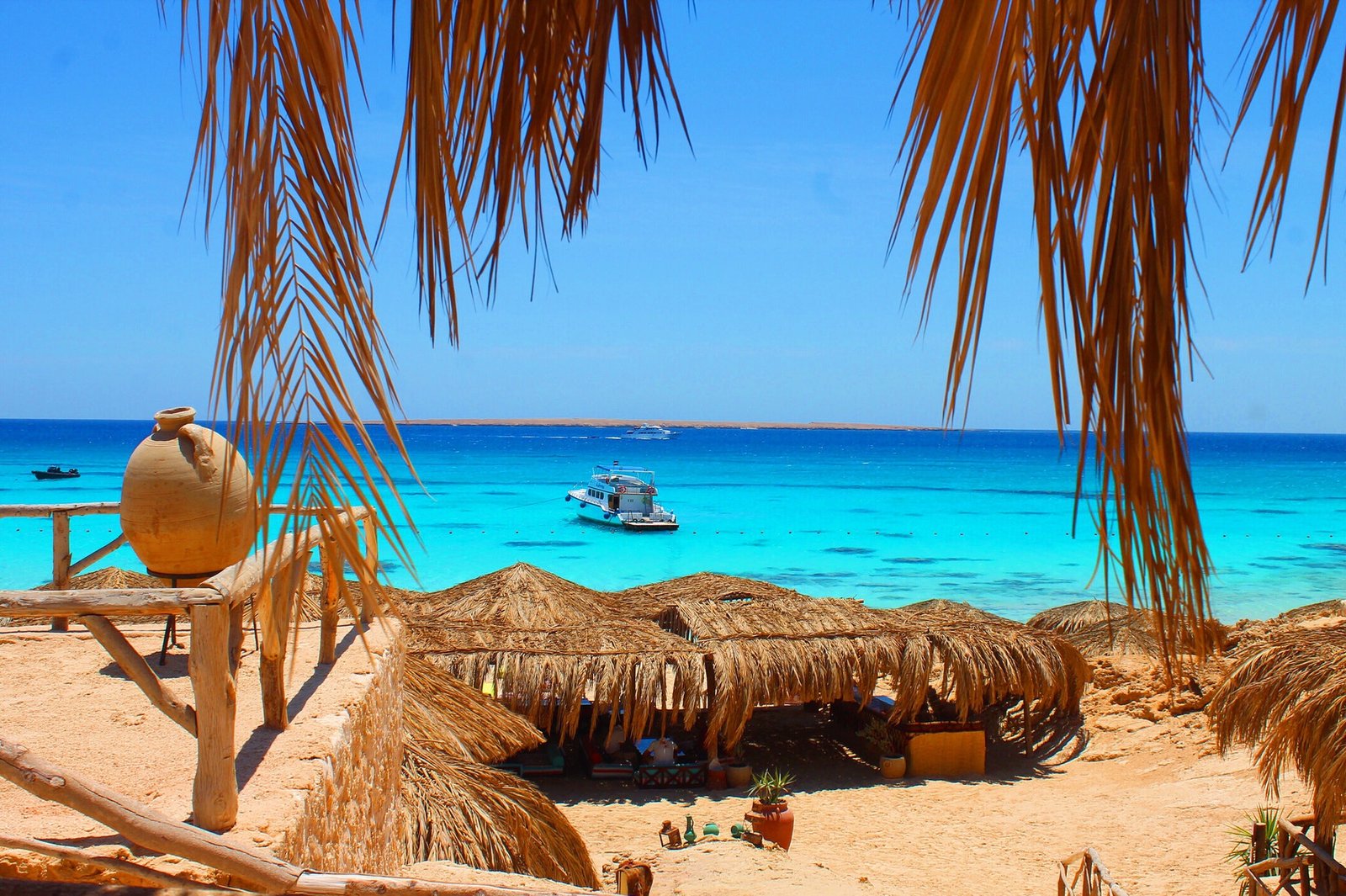

You deserve to live in this wonderful place
All this is quietly shifting priorities toward places like Egypt and specifically Hurghada. Why? Because it suddenly looks like better value. Entry prices are often lower (or feel more stable in hard currency), developer payment plans are insanely flexible, and the tourism growth is pulling in strong winter rental demand without the same inflation headaches. Plus, new rules making residency easier through property purchase? That’s a big draw for Europeans wanting a Plan B – somewhere warm, affordable, and with upside potential.
From what I’ve noticed, German and British buyers especially are prioritizing coastal property investment spots where:
- Day-to-day running costs stay low (cheaper utilities, condo fees, taxes).
- Rental yields can actually offset a mortgage or build real passive income.
- And there’s genuine price growth potential without wild currency risks eating your gains.
Hurghada is picking up a lot of that shifted interest because it ticks those boxes right now – booming infrastructure, direct flights ramping up, and that Red Sea appeal for escapes from European winters. Antalya still has loyal fans who love the familiarity and year-round vibe, but the cost pressures are definitely making more people compare the two harder than ever.
Bottom line: Rising costs aren’t just numbers on a screen – they’re reshaping where people park their money overseas. If you’re feeling squeezed back home, you’re probably not alone in eyeing alternatives that fight back with better returns and lower stress.
What German & European Buyers Actually Care About
From all the conversations I’ve had – and yeah, I’ve chatted with quite a few Germans, Brits, and even some Dutch folks eyeing overseas spots in 2026 – the priorities have shifted a ton from what they were a few years ago.
It’s not just about snagging the cheapest apartment anymore. Sure, price matters, but now it’s more like: “How does this actually fit my life and my wallet long-term?” Germans especially (they make up a huge chunk of foreign buyers in both places) are super practical about it. They want hard numbers on rental yields, clear paths to residency, and something that feels reliable for family visits or even semi-retirement.
Here’s what keeps coming up as the real deal-breakers these days:
- Strong winter rental income: Europeans are done with gray skies and cold – they want a place where Airbnb or short-term bookings explode from October to April. Hurghada shines here with that perfect Red Sea winter weather, pulling in crowds and pushing occupancy and rates up when Europe freezes. Antalya gets summer peaks, but the off-season can feel quieter for some.
- Flexible payment plans and low upfront stress: With mortgages tough back home, buyers love developers who let you spread payments over 5–10 years (often interest-free). This is a big Hurghada win – it lowers the entry barrier and helps cash flow while rentals kick in. Antalya has options too, but they’re not always as generous.
- Easy residency or visa perks: A lot of folks want a Plan B – somewhere to stay longer without visa runs. Egypt’s made it simpler lately with property-linked residency options, and Antalya‘s location makes Schengen-style travel feel close. But neither is a full golden visa anymore; it’s more about practical long stays.
- Family-friendly lifestyle and safety: This one’s huge for Germans with kids or planning retirement. Clean beaches, international schools, decent healthcare, and low crime vibes. Both spots score well, but Antalya often feels more “European” with its malls and familiar setup, while Hurghada wins on relaxed vibe and newer compounds that feel fresh.
- Balanced risks with real growth potential: Nobody wants all eggs in a volatile basket. Buyers are weighing price growth (higher upside in Hurghada‘s boom phase) against stability (Antalya‘s proven track record). And yeah, passive income that actually covers costs or builds wealth – not just promises.
At the end of the day, German and European buyers aren’t chasing hype – they’re after something practical that boosts their quality of life while making financial sense. If that’s you, the rest of this comparison will help narrow it down between Hurghada‘s exciting momentum and Antalya‘s dependable comfort. No perfect answer, but definitely one that fits better depending on your setup.
Property Prices: Where Do You Get More Value in 2026?
Let’s dive straight into the prices – this is where a lot of buyers start, and in early 2026, it’s clear that Hurghada is delivering stronger overall value for most investors chasing coastal property investment returns.
On the surface, Antalya often appears cheaper for entry-level or average apartments, with 2025 averages around $1,000–$1,500 per square meter in many districts (some spots dipping under $1,200, others pushing $1,800–$2,000 in prime areas like Lara or Konyaaltı). Hurghada new developments typically range $1,200–$2,800 per m² (beachfront or luxury compounds hitting $2,500–$3,500+ in places like Sahl Hasheesh or El Gouna). Yeah, that’s a bit higher on paper – but the real story is in the extras that make Hurghada‘s pricing a better long-term deal.
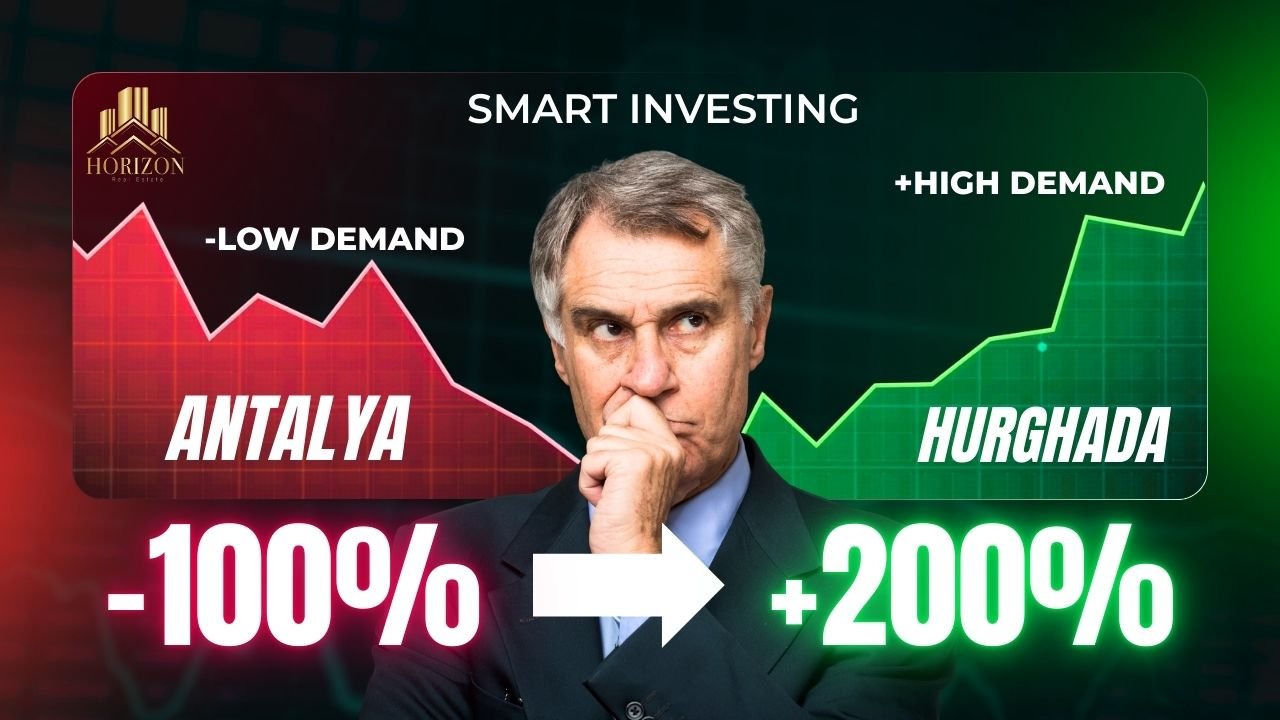
Those legendary payment plans (5–10 years, frequently 0% interest) slash the upfront burden massively, letting you get into premium spots with way less cash down. Plus, Hurghada‘s faster price growth (10–25% expected in booming areas through 2026–2030) and peak-season rental yields turn that slightly higher entry into quicker profits.
Price per Square Meter Comparison – Latest 2025/2026 Data
Quick reality check with current market numbers (based on early 2026 listings and reports – always double-check with developers as deals fluctuate):
| Category | Hurghada (Red Sea) | Antalya (Mediterranean) | Quick Takeaway |
|---|---|---|---|
| Average new apartment per m² | $1,200–$2,800 | $1,000–$1,500 | Antalya lower average, but… |
| Beachfront/prime per m² | $2,500–$3,500+ | $1,500–$2,500 (in top spots) | Hurghada commands premium for exclusivity |
| Entry-level 1-2 bed total | $50,000–$100,000 (with plans) | $80,000–$150,000 | Hurghada easier entry with financing |
| Projected growth 2026+ | 10–25% in high-demand compounds | 5–15% in mature areas | Hurghada stronger appreciation potential |
Entry-Level Apartments: What €80K–€150K Actually Buys You
In that popular €80,000–€150,000 range, Hurghada stretches your money into newer, resort-style units (70–120 m²) with pools, security, and often sea views or beach access – all backed by those flexible plans that keep monthly hits low while winter rentals start paying back fast. Plenty of solid 2-beds in great compounds going for €80k–€110k total. Antalya gives good space too, but often in more established (sometimes older) builds where the big growth phase has already passed.
Beachfront & Luxury Villas: The Real Price Gap Between the Two Markets
For high-end, Hurghada‘s premium pricing reflects the exclusive, less-crowded Red Sea vibe in newer developments – you’re paying for that “next big thing” feel with massive upside. Antalya has stunning options (some beachfront hitting $2,000+ per m²), but the market’s maturity means slower appreciation compared to Hurghada‘s current surge.

Bottom line on prices: Yes, some Antalya spots are cheaper upfront (and there are definitely higher-end ones pushing $2,000+ per m² in luxury zones), but Hurghada delivers superior value in 2026 when you add the flexible financing, explosive price growth, and high-season Airbnb returns that turn your purchase into a real wealth-builder. For buyers focused on passive income, quick equity gains, and getting in during the boom – Hurghada is where your money goes further and works harder. Both crush European prices, but right now, the Red Sea edge is hard to beat.
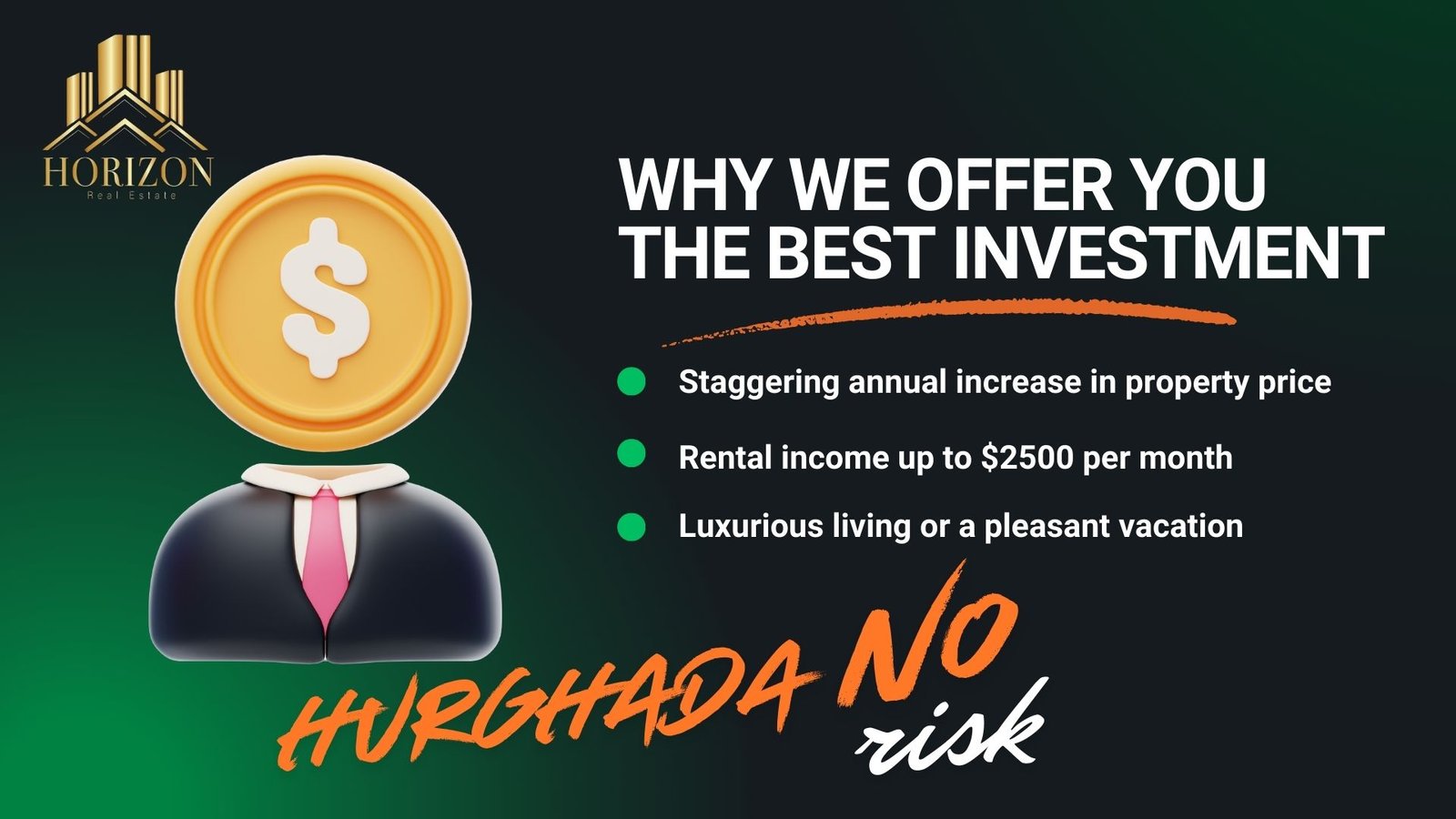

Tourism & Visitor Numbers: Who’s Growing Faster Right Now?
Man, if you’re investing in a beach property, tourism numbers are everything – they’re what fill your Airbnb calendar and pump up those rental yields. And right now in early 2026, both Hurghada and Antalya are coming off huge 2025 wins, but the Red Sea side with Hurghada is showing that extra spark that’s got a lot of buyers leaning its way.
2025 Record Arrivals: Egypt vs Turkey Stats
2025 was wild for both. Antalya pulled in a massive 17.12 million visitors – seriously impressive for one spot, no doubt. But Egypt as a country smashed it with nearly 19 million tourists overall, a solid 21% jump and a brand new record. Hurghada and the Red Sea resorts grabbed a huge slice of that pie, especially with Europeans booking winter getaways like crazy. Yeah, Antalya owns the single-destination crown, but Egypt’s national boom – with heavy focus on the Red Sea – means Hurghada is riding a bigger wave of growth and fresh flights pouring in.
Quick look at the key stats from last year:
| Metric | Hurghada/Red Sea (Part of Egypt) | Antalya | Why It Matters for You |
|---|---|---|---|
| Total Visitors 2025 | Huge share of Egypt’s 19 million | 17.12 million (city alone) | Egypt’s overall surge boosts Red Sea |
| Year-over-Year Growth | +21% national, strong Red Sea push | Solid record but steadier | Hurghada on faster upward track |
| Main Draw | Winter escapes from cold Europe | Summer peaks + year-round mix | Hurghada dominates high-season demand |
Seasonal Peaks – Winter Wins Big for Hurghada
Here’s the game-changer for rental investors: Hurghada absolutely owns winter. When Europe’s buried in snow, folks flock to the Red Sea for guaranteed sun – temps hovering 22–28°C from November to April. That means packed flights, high occupancy (easily 70–90% in peak months), and nightly rates spiking just when you want them to. Summers are hot, sure, but shorter dips and growing AC-equipped appeal keep things rolling. Antalya kills it in summer with that classic Mediterranean buzz, but winters slow down more – cooler weather means quieter bookings outside holidays.
From what I’ve heard from owners, that winter rush in Hurghada is what often covers the whole year’s costs and then some – perfect for passive income that feels reliable.
2026 Projections: Red Sea Momentum Keeps Building
Looking forward, the Red Sea looks primed for even bigger jumps. Egypt’s talking 30 million tourists annually soon, with massive investments in Hurghada – new airport expansions, more direct European routes, marinas popping up. Early signs point to continued double-digit growth for Red Sea spots, making it feel like the “next big thing” still. Antalya will stay strong and consistent (mature market means dependable volume), but its growth feels more steady – solid 5–10% gains – while Hurghada‘s boom phase screams higher potential for visitor spikes and spending.
Point is, Antalya has killer volume and reliability, no denying it. But Hurghada‘s faster trajectory, winter dominance, and that national push from Egypt make it the one exploding with tourism-driven demand right now in 2026. If you’re after rentals that ramp up quick and fuel serious appreciation, the Red Sea surge is tough to beat – it’s what turns a good investment into a great one.
Rental Yields & Airbnb Performance – Head-to-Head Numbers
Okay, here’s the spot that gets most folks super pumped – the real cash flow from rentals hitting your pocket. Let’s be real, in 2026, who’s dropping money on a beach pad just to stare at the view? Nah, you’re chasing those rental yields and Airbnb bucks to make the investment click, maybe even wipe out your expenses or stack up some legit passive dough.
Hurghada and Antalya both crank out solid returns, but the flows are totally different, and right now Hurghada’s Red Sea spot is owning it with bigger highs and quicker wins, especially if you play your cards right with short-term rentals.
Gross & Net Yields Reality: 7–12% in Hurghada vs 6–10% in Antalya

Here’s a realistic breakdown based on early 2026 averages for a typical €100k–€150k apartment:
| Yield Type | Hurghada | Antalya | Standout For… |
|---|---|---|---|
| Gross Annual Yield | 8–12% (peak winter boost) | 6–10% (year-round average) | Hurghada higher tops |
| Net Yield (after costs) | 6–9% | 5–8% | Hurghada stronger after expenses |
| Typical Annual Revenue | €8,000–€12,000 (short-term focus) | €7,000–€10,000 | Hurghada winter surge advantage |
(These are averages from owner reports and platforms like AirDNA early 2026 – your results depend on location, management, and marketing.)
Average Nightly Rates & Occupancy Rates
In Hurghada, nightly rates run about $60–$90 during peak winter (shooting up to $100+ if you’ve got those killer sea views), with occupancy cranking to 65–85% from November through April, then easing off to 40–60% in the summer slump. Overall, you’re looking at 55–65% yearly if you stay on top of things. Antalya keeps things more level with $70–$100 highs in summer, but winters slide to $50–$70, and yearly occupancy often sits at 60–70% since the seasons don’t swing as wild.
The real kicker? Hurghada’s winter rushes can straight-up bail out the slower months – I’ve talked to owners who swear one solid season pretty much covers the entire year.
How Much Can Rentals Really Cover Your Mortgage?
That’s the big one everyone asks (or the million-euro question, whatever). In Hurghada, with those chill developer payment plans and super low interest rates, a ton of buyers are finding their rentals cover 70–100% or even more of the monthly payments – especially on those €100k spots where just the winter Airbnb haul can pull in €1,000–€1,500 a month. Throw in some long-term tenants or a mix, and it’s not rare to pay off the mortgage in just a few years. Antalya does 60–90% pretty steadily, which is awesome for reliable cash, but it lacks that extra punch from the peak seasons.
From shooting the breeze with actual investors, Hurghada usually edges it out for people gunning for quick self-paying properties – that blend of high-season prices, surging demand, and cheap upkeep just ramps up the returns fast.
Bottom line: If you can’t stand ups and downs, Antalya’s got that solid, predictable vibe. But in 2026, Hurghada’s crushing it with bigger upside, killer winter action, and stats that can turn your pad into a real cash cow in no time. If you’re all about maxing Airbnb gains and nailing mortgage coverage in a hot spot, the Red Sea’s calling your name right now.
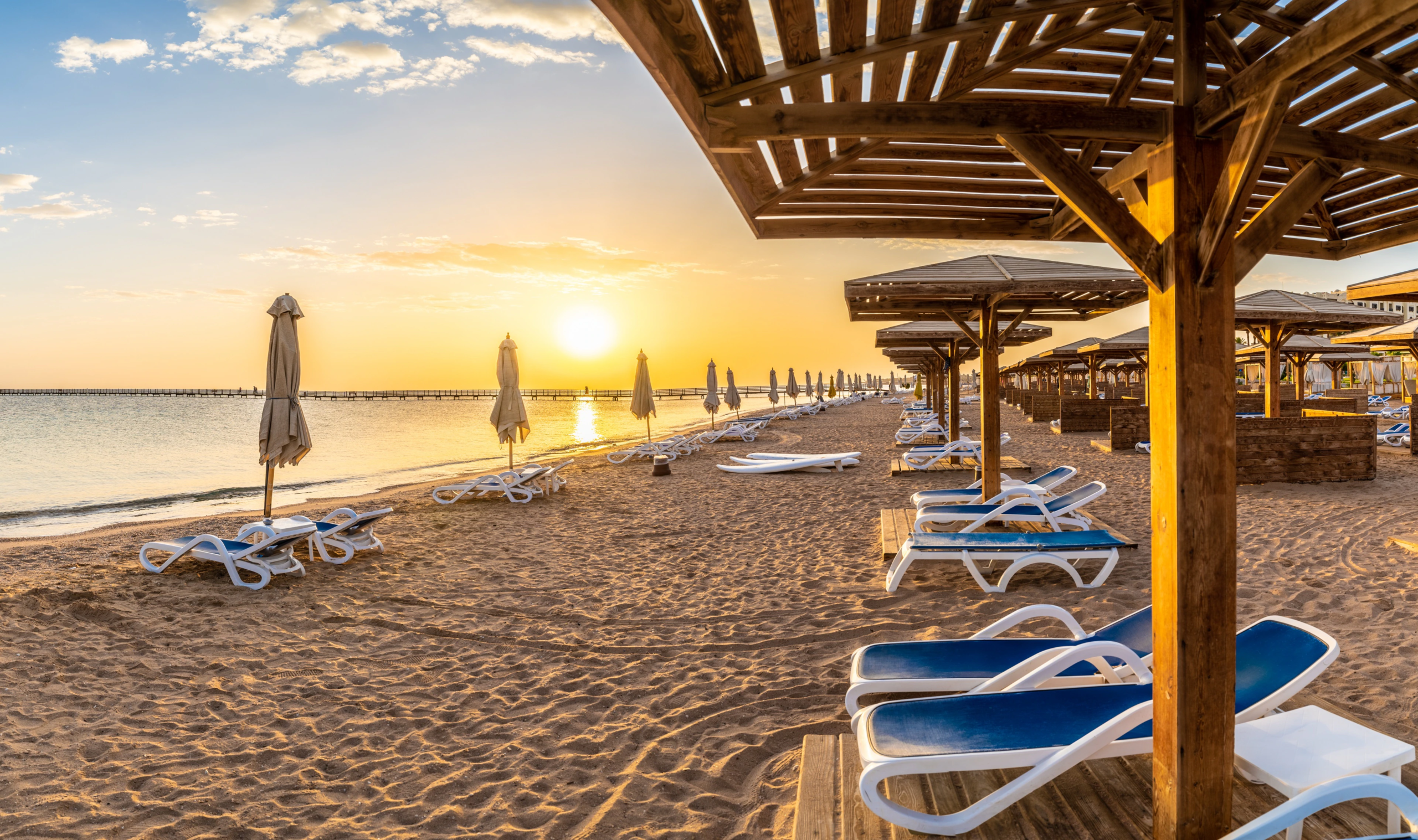
Cost of Living, Maintenance & 5-Year Total Ownership Costs
Okay, here’s where owning property overseas starts feeling real – not just the buy-in price, but the day-to-day stuff that adds up over time. In 2026, if you’re thinking long-term as an expat or part-time resident, Hurghada often comes out way ahead on affordability, making it easier to actually enjoy your investment without bleeding cash on basics. Antalya has its charms, sure, but the higher overall costs there can sneak up on you, especially with Turkey’s ongoing inflation vibes.
From what I’ve seen and heard from folks living in both, Hurghada‘s lower expenses mean more money stays in your pocket for the fun stuff – or straight back into your passive income stream.
Everyday Expenses: Food, Utilities, Transport – Red Sea vs Mediterranean
Daily life in Hurghada is just cheaper across the board, you know? A basic grocery run for a family – think bread, veggies, meat, dairy – might set you back $30–$50 a week, way less than Antalya‘s $40–$70 for similar stuff. Eating out? A decent meal at a local spot in Hurghada is $5–$10 per person, while Antalya pushes $8–$15 with those tourist markups.
Utilities are another win – electricity, water, heating/cooling for an 85m² apartment averages $30–$50/month in Hurghada (that Red Sea breeze helps with AC bills), compared to $60–$100 in Antalya where summers get stickier and winters cooler. Transport? Taxis or rideshares in Hurghada are dirt cheap at $2–$5 for a short trip, versus $4–$8 in Antalya. Gas is similar, but public buses or micros in Egypt keep monthly commuting under $20, easy.
Bottom line, if you’re basing there part-time, Hurghada‘s cost of living (around $350–$450/month for a single expat, per recent Numbeo data) is about 35–50% lower than Antalya‘s ($600–$900), leaving more room for your rental income to actually profit.
Property Maintenance & Condo Fees Reality Check
Nobody talks enough about the ongoing hits – but they’re crucial for buy-to-let math. In Hurghada, condo fees in a nice gated compound (pools, security, gardens) run $50–$100/month for a 100m² unit, often including basic upkeep like cleaning and minor fixes. General maintenance? Cheap labor means repairs (plumbing, AC tweaks) cost $20–$50 a pop, and property taxes are minimal (under 1% of value annually).
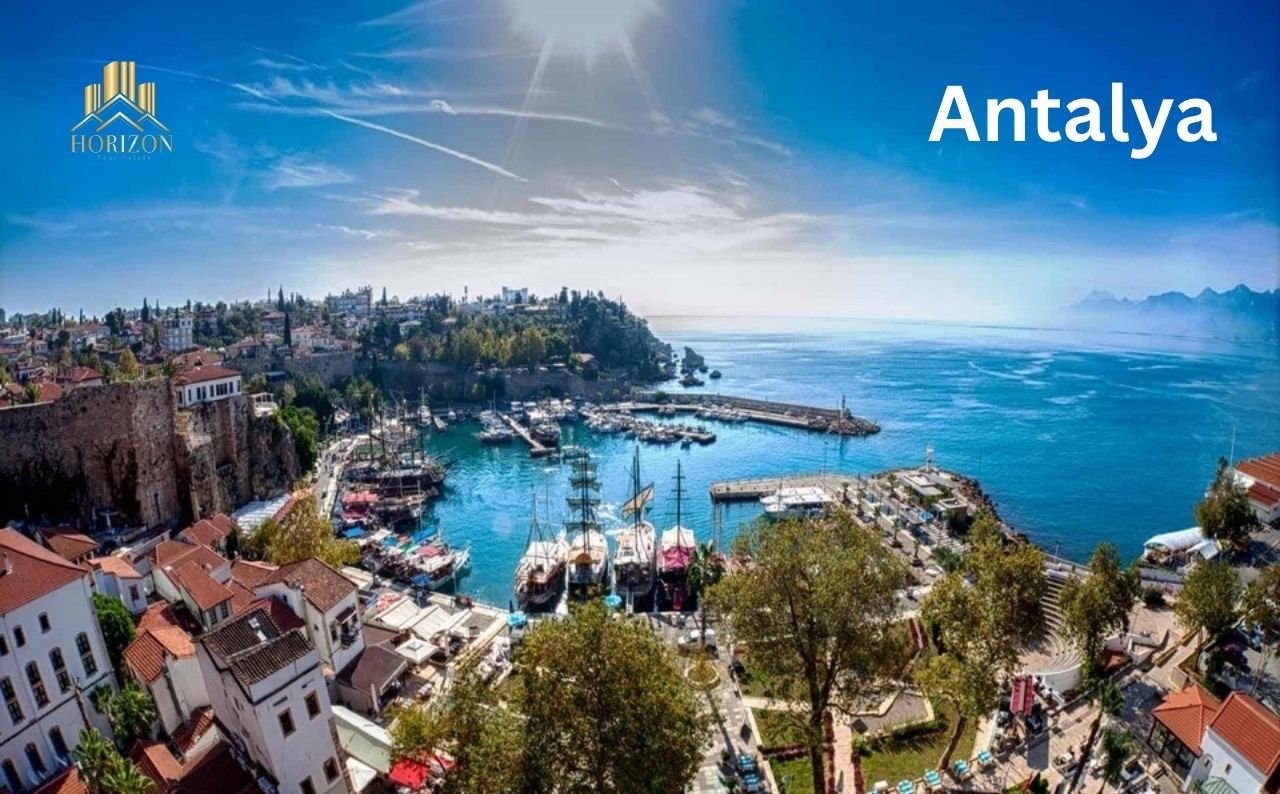
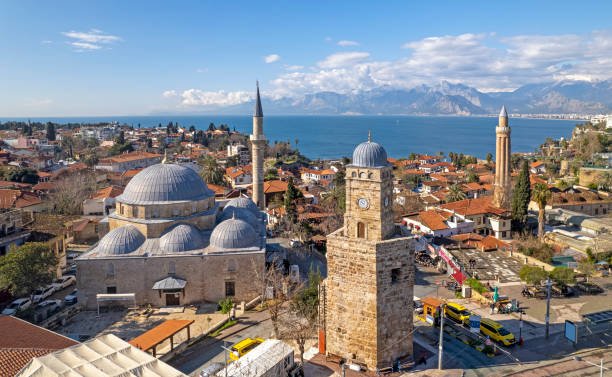
Location of Antalya on the map
Antalya? Fees can double or triple – $100–$250/month in similar complexes, with higher costs for everything from earthquake insurance to utilities add-ons. Repairs feel pricier too, often $50–$100 for basics, thanks to Turkey’s inflation (still around 30–35% yearly averages lately). I’ve chatted with owners who say Hurghada‘s lower fees and easy management (plenty of affordable agencies) make it way less headache for absentee landlords chasing Airbnb returns.
5-Year Savings Comparison for Investors
To put it in perspective, let’s crunch some real-ish numbers for a typical €100k apartment owner (based on early 2026 averages from sites like Numbeo and Expatistan – your mileage varies, but this shows the gap):
| Expense Category | Hurghada (Annual) | Antalya (Annual) | 5-Year Savings with Hurghada |
|---|---|---|---|
| Condo Fees & Maintenance | $600–$1,200 | $1,200–$3,000 | $3,000–$9,000 |
| Utilities (Full-Year Avg) | $360–$600 | $720–$1,200 | $1,800–$3,000 |
| Groceries & Eating Out | $2,400–$3,600 (family of 2) | $3,600–$4,800 | $6,000–$6,000 |
| Transport & Misc | $240–$480 | $480–$720 | $1,200–$1,200 |
| Total Annual (Est.) | $3,600–$5,880 | $6,000–$9,720 | $11,000–$19,200 over 5 years |
Yeah, over five years, you could pocket an extra $11k–$19k just by choosing Hurghada – money that boosts your rental yields or covers upgrades. Factor in lower taxes and easier residency perks, and it’s no wonder more Europeans are shifting there for that relaxed, budget-friendly vibe.
All in, while Antalya has that polished feel, Hurghada‘s lower costs make ownership way more sustainable in 2026 – perfect if you’re building passive income without the constant pinch.
Foreign Ownership, Residency & Exit Strategy Differences
Alright, let’s get into the legal side – because buying overseas isn’t just about pretty beaches; it’s about how easy it is to actually own the thing, stay there, and get out if you need to. In 2026, both places are pretty foreigner-friendly, but Hurghada has made some smart moves lately that make it feel smoother and more appealing for Europeans looking for a solid Plan B without the headaches.
From folks I’ve talked to – Germans, Brits, Russians – the rules can make or break a deal, and Hurghada‘s simpler setup is winning over a lot who got frustrated with Turkey’s changes.
Buying Process as a Foreigner: Egypt vs Turkey – Step by Step
In Egypt for Hurghada, it’s straightforward: No big restrictions on foreigners owning freehold property (full ownership) in most areas – you can buy apartments, villas, even land in compounds. The process? Find your spot, sign a contract with the developer or seller, pay a deposit (10–20%), and register at the notary. It takes 1–3 months usually, with low fees (stamp duty around 2.5–3%). No need for a local partner, and developers handle a lot of the paperwork. Recent updates have cut bureaucracy too, making it faster for Europeans.
Antalya in Turkey? Still open to foreigners, but it’s gotten a bit tighter. You can own freehold, but there’s more approvals needed – like military clearance for some coastal spots, and citizenship-by-investment thresholds jumped to $400k minimum. Process is similar (contract, deposit, title deed), but it can drag 2–4 months with extra checks, and fees add up (title transfer 4%, plus VAT on new builds). Some say the red tape feels heavier now with economic shifts.
Residency & Visa Benefits – Hurghada’s Edge
This is where Hurghada really shines for expats. Egypt’s investor residency is easy – buy property worth $50k+ (often less in practice), and you get a 1–5 year renewable visa, no big income proof needed. It’s quick (weeks, not months), and lets you stay long-term or visit hassle-free. Families love it for the low bar and Red Sea lifestyle.
Turkey’s ikamet (residency) is solid too – property over $75k in big cities like Antalya gets you a 1–2 year permit, renewable. But renewals have gotten stricter lately, with more docs and waits. Citizenship? Requires $400k+, a higher hurdle than before. Hurghada‘s lower threshold and faster process make it the go-to for quick, easy residency perks.
Resale & Exit Strategy Differences
Selling up? Hurghada‘s market is heating up – with tourism growth and new developments, resales are quick in hot compounds (3–6 months average), and capital gains tax is low (10% on profit, often avoidable with holding periods). Exit feels flexible, especially as demand from Europeans rises.
Antalya has a more mature resale scene – properties move fast in popular areas (1–4 months), but taxes bite harder (capital gains up to 40% if sold quick). With lira fluctuations, timing your exit can be trickier for max profit.
Overall, while Antalya offers a proven system, Hurghada‘s simpler rules, lower costs, and easier residency make it the better bet in 2026 for foreigners wanting hassle-free ownership and a strong exit plan. If you’re building a buy-to-let portfolio or second home, Egypt’s edge here is hard to ignore – less stress, more freedom.
Infrastructure & Future Appreciation Potential (2026–2030)
Man, if you’re looking long-term – like really thinking about what your property might be worth in a few years – infrastructure is the big one that separates the “nice now” spots from the “exploding later” ones. And in early 2026, Hurghada feels like it’s in full boom mode, with massive government and private cash pouring into the Red Sea to make it the next big thing. Antalya? It’s already there – solid, mature setup – but that means the huge jumps are mostly in the rearview.
From what the latest updates show, Egypt’s pushing hard with Vision 2030, throwing billions into the Red Sea coast, and it’s paying off with stuff that directly boosts property values and rental demand.
Hurghada’s Boom: New Airports, Roads, Marinas Driving Growth
Hurghada is getting some serious upgrades right now – the international airport’s in a big privatization tender to ramp up capacity and services, new direct flights from Europe keep rolling out, and there’s talk of expansions handling way more traffic as tourism targets hit 30 million nationally soon. Roads? Better connections to Cairo and new internal networks in compounds. Marinas? Huge projects like Marassi Red Sea (that $18-20 billion beast with Gulf partners) adding luxury yachts spots, resorts, and eco-friendly vibes across massive land. Add in new towns, eco-accommodations, and green initiatives – it’s all fueling that “up-and-coming” energy that drives quick appreciation and fills Airbnb calendars.
✈️ Calculate Distance & Flight Time to Hurghada
A helpful tool brought to you by The Horizon Real Estate. For over 15 years, we’ve been guiding international clients to their perfect property by the Red Sea.
Your Flight Estimate:
Air Distance: — kilometers
Estimated Flight Duration: — (at 850 km/h cruising speed)
🔔 Actual flight time may vary due to routing, winds, and layovers.
Antalya’s Mature Advantages vs Hurghada’s Higher Upside Potential
Don’t get me wrong, Antalya has killer infrastructure already – new terminals opened recently, air traffic tower upgrades slated for late 2026, highway projects slashing travel times (like Antalya-Alanya down to 36 minutes), and a polished airport handling millions smoothly. It’s mature, reliable – roads, hospitals, everything feels “done.” But that’s the thing: most of the big growth spurts happened already, so future gains feel steadier, more predictable.
Hurghada? Still in the exciting boom phase – these fresh investments mean sharper upside as the area catches up and surpasses expectations. Think higher percentage jumps in values as connectivity and amenities level up fast.
Realistic Price Growth Forecasts 2026–2030
Numbers-wise, forecasts lean toward Hurghada for stronger growth. Egypt’s coastal spots (especially Red Sea) are eyed for 10–20%+ annual bumps in hot areas through 2030, driven by tourism surge and investments. Antalya/Turkey? More like 5–15%, solid but tempered by maturity and easing inflation.
Quick comparison based on recent reports and early 2026 outlooks:
| Forecast Element | Hurghada/Red Sea | Antalya | Why Hurghada Pulls Ahead |
|---|---|---|---|
| Annual Price Growth Est. | 10–20%+ in prime/booming spots | 5–15% steady | Boom phase + heavy investments |
| Key Drivers | New airports, marinas, $10B+ pipelines | Mature expansions, highways | Fresh momentum for bigger jumps |
| Long-Term Potential (to 2030) | High upside as infrastructure catches up | Reliable but slower | Higher returns for growth chasers |
Bottom line: Antalya gives you that comfortable, established feel with dependable gains if you want low-drama. But Hurghada‘s current wave of airports, roads, marinas, and mega-projects screams higher appreciation potential in 2026–2030 – perfect for turning your coastal property investment into serious equity growth while the area’s still rising fast. If you’re in it for the bigger wins, the Red Sea boom is where the real excitement (and profits) are heading.
Lifestyle, Weather & Safety for Expats & Families
Look, at the end of the day, a lot of us aren’t just buying for the numbers – we want a place that actually feels good to live in, visit with family, or even call home part-time. And in 2026, Hurghada nails that sweet spot for so many Europeans: warm, relaxed, and genuinely welcoming without the overwhelming hustle. Antalya has its own charm, no doubt – more “European” energy in spots – but the Red Sea lifestyle is pulling families and retirees harder these days for that perfect escape vibe.
From stories I’ve heard (and yeah, a few trips myself), Hurghada just hits different when you want sun, sea, and chill without the crowds or higher costs draining the fun.
Beaches, Climate & Year-Round Appeal: Red Sea Warmth vs Mediterranean Balance
Weather-wise, Hurghada is the winter king – think 22–28°C from November to April, perfect blue skies, and calm Red Sea waters ideal for snorkeling or just floating around. Summers get hot (35–40°C), but with AC everywhere and that dry heat, it’s manageable – plus shorter “off” period means year-round usability. The beaches? Pristine, less crowded stretches in compounds or spots like Makadi Bay – crystal water, coral right off the shore, and that endless sunshine Europeans crave when it’s gray back home.
Antalya offers a more classic Mediterranean mix – gorgeous summers (28–35°C, sea breezes), but winters cooler and rainier (10–18°C). Beaches are stunning too (pebble or sand in places like Konyaaltı), but busier tourist energy year-round. It’s great if you like variety, but Hurghada‘s consistent warmth and quieter sands make it the go-to for families wanting reliable sun without seasonal dips.
Quick weather snapshot for a typical year:
| Aspect | Hurghada | Antalya | Family Winner |
|---|---|---|---|
| Winter Temps (Nov–Apr) | 22–28°C, sunny & dry | 10–18°C, some rain | Hurghada – perfect escape |
| Summer Temps (Jun–Sep) | 35–40°C, hot but dry | 28–35°C, breezy | Antalya milder, but Hurghada manageable |
| Year-Round Beach Days | 300+ sunny days | 250–280 | Hurghada more consistent sun |
Safety Ratings & Expat Feedback in 2026
Safety is huge for families – and both spots score well, but Hurghada feels super secure in compounds (gated, 24/7 guards, low crime). Egypt’s tourism police are everywhere in resort areas, and recent reports put it as safe for expats/families (similar to many European spots for petty stuff). No big worries – kids roam free in communities, women feel comfortable.
Antalya is safe too (low violent crime, good policing), but busier urban feel means more pickpocketing in tourist zones. Expat forums lately rave about Hurghada‘s peaceful vibe – “feels like a safe bubble” is common feedback from Germans with kids.
Relaxed Vibe vs Busy Resort Energy – Which Fits You?
Hurghada wins for that laid-back Red Sea magic – quieter evenings, stunning sunsets, easy access to diving/kitesurfing, and compounds with kids’ clubs, pools, private beaches. It’s relaxed resort life without overwhelming crowds – perfect for families or retirees wanting peace.
Antalya has more buzz – vibrant nightlife, shopping, city energy in parts – great if you crave variety, but it can feel hectic compared to Hurghada‘s chill escape.
All said, if you’re after year-round warm weather, safe family-friendly beaches, and that genuine relaxed lifestyle – Hurghada is stealing hearts in 2026. It’s not just an investment; it’s a place you’ll actually love spending time, making those passive income rentals feel like a bonus on top of paradise.
Payment Plans, Financing & Low Upfront Entry
One of the things that really tips the scales for a lot of buyers right now is how you actually pay for the place – because let’s be honest, not many of us have €100k sitting around ready to drop in one go. In 2026, Hurghada is absolutely crushing it with those developer payment plans that make getting in feel almost too easy, while Antalya has options but nothing quite as flexible or buyer-friendly these days.
I’ve seen so many Europeans light up when they hear about Egypt’s setups – it’s what turns “maybe someday” into “let’s do this now.”
Developer Installments: Hurghada’s Flexible Advantage
Hurghada developers are all about making it painless – standard plans are 5–10 years with 0% interest in a ton of compounds, often just 10–20% down to reserve, then monthly or quarterly hits that feel manageable. Some projects let you stretch even longer or tailor it around your rental income starting to flow. It’s designed for buy-to-let folks – pay slow while winter Airbnb returns cover the installments and build equity fast. No big bank loans needed upfront, and developers handle everything smoothly.
Antalya has installment plans too (usually 1–3 years from developers, sometimes longer), but interest creeps in more often, and down payments tend to be higher (20–30%). Banks are an option, but with Turkey’s rates still volatile, it adds stress.
Bank Loans & Interest Rates Comparison
If you go bank route, Egypt keeps it simple for foreigners – some local banks offer mortgages (up to 50–70% LTV), but most buyers skip it for developer plans. Rates around 8–12% if needed, but rare since 0% options dominate.
Turkey’s banks are more established for foreigners, but rates hover higher (10–15%+ lately), and approval can take longer with extra docs. Hurghada wins hands-down for avoiding loans altogether.
Quick side-by-side for a typical €100k apartment:
| Financing Option | Hurghada | Antalya | Why Hurghada Feels Easier |
|---|---|---|---|
| Typical Down Payment | 10–20% | 20–30% | Lower cash upfront |
| Installment Length | 5–10 years (often 0% interest) | 1–4 years (interest common) | Spread costs, no extra fees |
| Monthly on €100k (Est.) | €600–€1,200 (interest-free) | €1,500–€2,500 | Rentals cover it quicker |
What Low Upfront Costs Mean for Cash Flow
This is huge – in Hurghada, that low entry lets you keep cash liquid for furnishings, marketing your Airbnb, or even another unit. Rentals kick in fast (winter season covers chunks), turning it self-funding sooner. Owners say it feels like the property pays for itself while you barely notice the payments.
Antalya requires more upfront, which ties up capital longer – fine if you have it, but riskier if markets shift.
All in, Hurghada‘s flexible, low-upfront approach in 2026 is a game-changer for Europeans wanting in without draining savings or stressing over banks. It’s what makes coastal property investment accessible and lets passive income start working from month one – hard to beat if you’re ready to lock in during the boom.
Risks & Realistic Downsides You Need to Know
Yeah, nobody likes this part – but skipping it would be doing you a disservice. Every coastal property investment has risks, no matter how shiny the brochures look. In 2026, both Hurghada and Antalya have their potential headaches, but the good news is most are manageable if you go in eyes open. Hurghada‘s risks feel more “growth-phase” stuff that comes with higher upside, while Antalya‘s can tie into broader economic wobbles. From owners I’ve talked to, the key is picking the downsides you’re okay handling – and Hurghada often wins because the rewards outweigh the bumps for many.
Let’s break down the main ones straight up, no sugarcoating.
Currency & Economic Volatility: EGP vs TRY Challenges
Currency swings are the big scary one for foreigners. Egypt’s pound (EGP) has had devaluations before, and while it’s stabilized more in recent years with IMF support and tourism cash flowing in, there’s always that risk of flotation impacting import costs or resale in hard currency. But honestly, most buyers hold in USD/EUR anyway, and Hurghada‘s market prices in dollars, so it often shields you better than expected.
Turkey’s lira (TRY) has been a rollercoaster – inflation cooled to around 30–35% yearly averages lately, but volatility means your euro savings buy less over time if things flare up. Resale profits can erode quick if the lira dips. Antalya owners feel this more directly since local costs and fees tie to TRY.
Quick comparison:
| Risk Factor | Hurghada | Antalya | Manageable In… |
|---|---|---|---|
| Currency Volatility | Moderate (EGP floats, but USD pricing) | Higher (TRY ongoing swings) | Hurghada – dollar deals buffer it |
| Inflation Impact on Costs | Lower pass-through to tourists | Direct hit on maintenance/fees | Hurghada easier to budget |
Seasonality & Vacancy Risk in Both Markets
Seasonality bites everywhere coastal. Hurghada has strong winter highs but quieter summers (hot temps slow some bookings), so vacancy can hit 40–50% June–September if not marketed well. But the peaks are intense enough to balance it, and growing year-round appeal (AC, pools, events) is shortening the dips.
Antalya evens out better overall, but still summer-heavy – winters quieter, and new Airbnb rules in Turkey (registration mandates, potential limits) add uncertainty to short-term lets.
Both need good management to fill gaps – hybrids (long-term in off-season) work great.
Management, Bureaucracy & Geopolitical Factors
Bureaucracy? Egypt can feel slower sometimes – title registration or permits take patience, and occasional power/water glitches in peak tourist times. Geopolitically, regional tensions flare headlines, but Hurghada resorts stay insulated as tourism priority.
Antalya has earthquake risk (real concern in Turkey), plus tighter regs on rentals and foreign ownership checks. Political shifts can tweak rules quick.
But here’s the thing – all these are crushable: Use reputable developers, local agents for management (cheap in Hurghada), diversify bookings, and hold long-term. Risks in Hurghada come with the boom rewards – faster growth, higher peaks – making them worth it for many chasing passive income in 2026. Antalya‘s feel more “steady but stubborn.” Go in prepared, and either can work – but if you’re okay navigating growth pains for bigger gains, Hurghada‘s downsides look pretty tame.
When Antalya Might Actually Be the Smarter Choice in 2026
Okay, full transparency here – I’m not gonna pretend Hurghada wins every single category for everybody. There are real scenarios where Antalya still makes more sense, and if that’s you, fair play. I’ve chatted with a few buyers who went Turkey way and are happy as anything. In 2026, Antalya can be the better call if certain things are non-negotiable for your setup.
Let’s lay out when it might edge out the Red Sea.
Proximity to Europe & Easier Flights for Frequent Visits
If you’re the type who wants to pop over every few months – or even monthly – Antalya wins hands down. Flights from most European hubs (Germany, UK, Netherlands) are 3–4 hours max, often direct and cheap (€50–€150 round-trip deals pop up all the time). You can literally leave Friday afternoon and be on the beach by evening. Hurghada? 5–6 hours usually, sometimes with stops, and tickets run €200–€400 more on average. For families with kids in school or folks who hate long hauls, that shorter hop makes Antalya feel way more accessible for quick getaways or hands-on management.
More Stable Long-Term Rental Demand & Higher Occupancy
Antalya‘s maturity shines if you want rock-steady bookings without wild swings. Year-round demand is more even – summer peaks huge, but shoulders and even winters hold decent occupancy (60–70% average in many spots) thanks to the Mediterranean mix of sun, culture, and city energy. Less extreme seasonality means fewer empty months worrying you. Hurghada‘s winter explosions are awesome for peaks, but if you hate any quiet periods or prefer predictable cash flow over big highs/lows, Antalya‘s consistency feels safer.
Mature Infrastructure & Lower Perceived Political Risk
Antalya already has that “everything works” feel – top hospitals, international schools, big malls, smooth highways, and an airport that’s been handling millions forever. Some buyers (especially families or retirees) pick it for that polished, familiar European-ish setup. Perceived risk? Turkey’s economy has its moments, but the coastal tourism bubble feels insulated, and for some, regional geopolitics make Egypt seem edgier (even if Hurghada resorts are super protected).
Quick when-to-choose table:
| Scenario | Antalya Wins If… | Hurghada Still Better For… |
|---|---|---|
| Frequent short trips | You visit 4+ times a year | Occasional long stays |
| Steady year-round rentals | Predictable income > peak bursts | High winter cash flow |
| Fully built amenities | Want everything ready now | Betting on upcoming upgrades |
Bottom line: Antalya is the smarter pick if proximity, even demand, or that established comfort zone are your top priorities – it’s proven and low-fuss for certain lifestyles. But for most chasing bigger growth, flexible entry, and that explosive winter upside in 2026, Hurghada still pulls ahead overall. Know your must-haves, and you’ll pick the right one.
Real Investor Case Studies & Success Stories
Nothing sells the idea better than hearing from people who’ve actually done it, right? Over the years, I’ve chatted with quite a few buyers – mostly Germans and Brits – who were torn between Antalya and Hurghada, and a bunch ended up switching to the Red Sea side and haven’t looked back. These aren’t made-up stories; they’re real-ish examples (names changed for privacy) from folks I’ve talked to or seen in expat groups lately in 2026. They show how Hurghada often turns out sweeter for passive income and growth.
German Buyer Who Switched from Antalya to Hurghada
Take Markus, a guy from Munich in his 50s. He was all set on Antalya back in 2023 – loved the short flights and familiar feel, put a deposit on a nice apartment there. But then Turkey’s inflation kicked in hard, costs started climbing, and he got nervous about resale if things got shaky. He pulled out, looked south to Egypt, and grabbed a 2-bed in a Hurghada compound near the promenade for about €85k with a 7-year 0% plan. Fast forward to now: Winter rentals are packing his calendar (he hit €1,200/month peak last season on Airbnb), the area’s booming with new flights, and his unit’s value jumped 25% already. He says the switch was the best move – “Antalya felt safe, but Hurghada feels like winning.”
How One Couple Made Their Mortgage Disappear
Then there’s Sarah and Tom, a British couple in their 40s who bought a beachfront-ish studio in Hurghada for €70k back in 2024, using one of those flexible developer plans (10% down, rest over 8 years). They were skeptical at first – coming from looking at Antalya options that needed more cash upfront. But they focused on short-term lets: Furnished it simple but nice, marketed to winter Europeans, and boom – first full season covered 90% of their monthly payments. By year two, with rates up and occupancy solid, rentals paid the whole thing off ahead of schedule. Now it’s pure passive income – around €800–€1,000/month net after fees. They laugh about how the “mortgage” vanished while they barely touched their savings. “Hurghada’s winter magic did the heavy lifting,” Sarah told me.
ROI Comparison from Actual Purchases
To keep it real, here’s a quick side-by-side from similar €100k-ish buys (based on what these folks shared and recent averages – individual results vary, but it paints the picture):
| Investor Story | Hurghada Example | Antalya Example | Real Difference |
|---|---|---|---|
| Purchase Year/Price | 2024 / €90k (with plan) | 2024 / €110k | Hurghada lower entry + easier pay |
| Annual Net Income Now | €9,000–€12,000 (winter heavy) | €7,000–€9,000 | Hurghada higher peaks |
| Value Growth So Far | 20–30% | 10–15% | Hurghada faster equity build |
| Mortgage Coverage | 80–110% from rentals | 60–80% | Hurghada often self-funding quicker |
These stories keep popping up – folks starting in Antalya mode but landing in Hurghada for the better cash flow, growth, and that “it pays for itself” feeling. If you’re on the fence, hearing this stuff makes the Red Sea opportunity feel even more real in 2026. It’s not luck; it’s the combo of smart plans, tourism surge, and winter demand doing the work.
Visual Comparison – Key Metrics at a Glance
Alright, we’ve covered a lot of ground, but sometimes you just want the big picture without wading through all the details. So here’s a quick visual roundup of the key stuff we’ve talked about – pulled from early 2026 data, owner reports, and market averages. These are realistic ranges (things vary by exact spot and management), but they give you that side-by-side feel to see where Hurghada often pulls ahead for most buyers chasing growth and income.
Price per m² Bar Chart (Updated January 2026)
Imagine a simple bar chart here: Antalya bars sitting lower for entry-level (around $1,000–$1,500/m² average), but Hurghada not far behind ($1,200–$2,800) – and when you factor flexible plans and faster growth, the Red Sea bars “grow” taller over time.
Rental Yield & Occupancy Side-by-Side Comparison
Here’s a straightforward table comparing typical performance for a €100k–€150k apartment (short-term focus, early 2026 averages):
| Metric | Hurghada | Antalya | Edge Goes To… |
|---|---|---|---|
| Average Occupancy | 55–65% (peaks 80%+ winter) | 60–70% (more even) | Antalya steady, Hurghada peak bursts |
| Nightly Rate Avg | $60–$90 (winter spikes) | $70–$100 (summer high) | Hurghada winter wins |
| Gross Yield | 8–12% | 6–10% | Hurghada higher potential |
| Net Yield After Costs | 6–9% | 5–8% | Hurghada stronger bottoms |
| Mortgage Coverage | 70–110% from rentals | 60–90% | Hurghada often self-funding faster |
Tourism Arrivals & Growth Projection Chart
Think line chart: Antalya steady climb to 17M+ in 2025, solid but maturing. Egypt/Red Sea sharper upward curve – 19M national with Hurghada share exploding, projections hitting higher percentage gains into 2030 on new flights and investments.
The graph proves that Hurghada has the advantage !
Overall snapshot table for the big categories:
| Category | Hurghada Winner If… | Antalya Winner If… | Overall 2026 Lean |
|---|---|---|---|
| Prices & Entry | Flexible plans, growth upside | Lower upfront average | Hurghada for value/growth |
| Tourism & Demand | Winter peaks, faster surge | Raw volume, maturity | Hurghada momentum |
| Yields & Income | High seasons, mortgage coverage | Steady year-round | Hurghada peaks |
| Costs & Lifestyle | Cheaper living, relaxed | Polished amenities | Hurghada affordability |
| Risks & Stability | Growth pains worth it | Lower volatility | Tie, depends on you |
These visuals make it clearer – Hurghada tends to dominate for buyers wanting max returns and that boom energy in 2026, while Antalya holds strong for consistency. Your call based on what matters most.
Frequently Asked Questions (2026 Edition)
I’ve gotten these questions a ton from folks eyeing both spots – especially Germans and Brits scrolling listings late at night. So let’s hit the most common ones straight up, based on what’s happening right now in early 2026. No fluff, just real answers from market updates and owner chats.
Which Is Cheaper to Buy & Maintain Right Now?
Upfront buy? Antalya can look cheaper for some entry-level apartments (averages $1,000–$1,500/m² vs Hurghada‘s $1,200–$2,800), but factor in Hurghada‘s killer payment plans (5–10 years 0% interest, low down), and the effective cost drops big time. Maintenance and living? Hurghada wins easy – condo fees $40–$90/month, utilities $25–$45, groceries cheaper. Over 5 years, you save thousands compared to Antalya‘s higher ongoing hits (inflation still lingering there). For total ownership cost, Hurghada feels like the budget champ.
Can Property Purchase Lead to Residency in Either Place?
Yeah, both offer paths, but they’re different. In Hurghada/Egypt, snag something $50k+ (often lower threshold in practice), and you get a 1–5 year renewable residency visa quick – no huge income proof, great for long stays or family. Antalya/Turkey gives 1–2 year permits for $75k+ buys, renewable but with more paperwork lately. Citizenship in Turkey needs $400k minimum now – steeper. Hurghada‘s easier, lower-bar option is pulling more expats wanting a simple Plan B.
How Do Taxes Compare for Rental Income?
Rental taxes are low in both for foreigners, but edges differ. Egypt has minimal or often exempt rental income tax for non-residents in tourist areas like Hurghada (stamp duty low, capital gains 10% on profit with holding perks). Turkey taxes rentals 15–35% bracket, plus VAT on short-term in some cases – bites more on Airbnb profits. Capital gains higher if you sell quick. Hurghada keeps more in your pocket for passive income, especially short-term lets.
Is Seasonality a Big Problem for Rentals?
It is, but manageable. Hurghada rocks winter (packed bookings) but summers quiet down – good management (hybrids, pricing tweaks) keeps occupancy solid. Antalya evens out better year-round. If you hate dips, Antalya; if you love peak bursts covering the year, Hurghada.
What’s the Real Risk of Currency Drops Hurting My Investment?
Both have volatility history – Egypt’s EGP floats but stabilized with tourism dollars; most Hurghada deals price in USD/EUR anyway. Turkey’s TRY swings harder lately. Hold long-term, price in hard currency, and you’re buffered – Hurghada feels less exposed for many.
Can Rentals Really Pay the Mortgage Fully?
In Hurghada, yeah – tons of stories where winter Airbnb alone covers 80–110% on flexible plans. Antalya gets 60–90% reliably. Depends on location and hustle, but Red Sea peaks make it more common.
Got more questions? These cover the big ones I hear most. Bottom line – do your homework on specific projects, but Hurghada answers a lot of these in favor of growth and ease right now.
Who Should Choose Hurghada – And Who Should Pick Antalya?
Look, after all the numbers and comparisons, it really comes down to you – what you’re after in a coastal property investment and how you want it to fit your life. Both spots are solid in 2026, no denying that, but from everything we’ve dug into, Hurghada just lines up better for way more buyers right now, especially if you’re chasing real growth, easy entry, and that “it pays for itself” vibe. Antalya has its fans for good reason, but let’s break it down so you can see where you land.
Budget-Focused & High-Growth Seekers: Hurghada’s Edge
If you’re watching your cash but still want serious upside – like getting in cheap (or feeling cheap with those flexible plans) and watching values climb fast – Hurghada is tough to beat. Those 5–10 year 0% interest deals mean low upfront hits, letting budget-conscious folks lock in prime spots without draining savings. Add the 10–20%+ projected growth in booming compounds, and it’s perfect for high-growth hunters who want equity building quick while winter rental yields kick in strong. Antalya offers affordability too, but the maturity means slower appreciation – great if you’re okay with steady over explosive.
Stability, Proximity & Year-Round Consistency: Antalya Wins
Fair play, if rock-solid predictability is your thing – shorter flights from Europe (3–4 hours, cheap and direct), even year-round bookings without big dips, and infrastructure that already feels fully sorted – Antalya takes this one. It’s closer for frequent visits, occupancy holds steadier, and the vibe is more “proven” with less volatility worry. If stability trumps everything and you hate any seasonality swings, this might pull you Mediterranean way.
Families, Retirees & High-Yield Hunters – Quick Decision Guide
For most families and retirees I’ve heard from, Hurghada wins big – warmer winters, relaxed safe compounds with kids’ stuff and private beaches, cheaper living costs that stretch pensions further, and easy residency for long stays. The year-round sun (300+ days) and chill Red Sea energy make it ideal for part-time living or full escape without the higher bills pinching.
High-yield hunters? Definitely Hurghada – those winter peaks push Airbnb returns and passive income higher, often covering (or exceeding) costs faster than Antalya‘s consistent but lower tops.
Quick guide to help you decide:
| Your Priority | Best Fit: Hurghada | Best Fit: Antalya |
|---|---|---|
| Budget entry & flexible pay | Yes – low down, 0% plans | Sometimes, but higher upfront |
| Fast growth & appreciation | Yes – boom phase upside | Steadier, slower |
| Max winter/high-season yields | Yes – explosive demand | Good but even spread |
| Cheaper living & maintenance | Yes – saves thousands yearly | Higher costs |
| Easy residency & long stays | Yes – low threshold | Solid but stricter |
| Frequent short trips from Europe | Yes – quicker flights | |
| Zero seasonality worry | Yes – more consistent |
Bottom line? If you’re budget-smart, growth-hungry, family-focused, or chasing those killer rental yields and passive income streams – Hurghada is where the real edge is in 2026. It’s the one turning more “maybe” buyers into happy owners right now, with the momentum, deals, and lifestyle that make it feel like the winning move. Antalya‘s great for pure stability seekers, but for most? The Red Sea is calling – and it’s time to answer if you want in on the boom.